EN

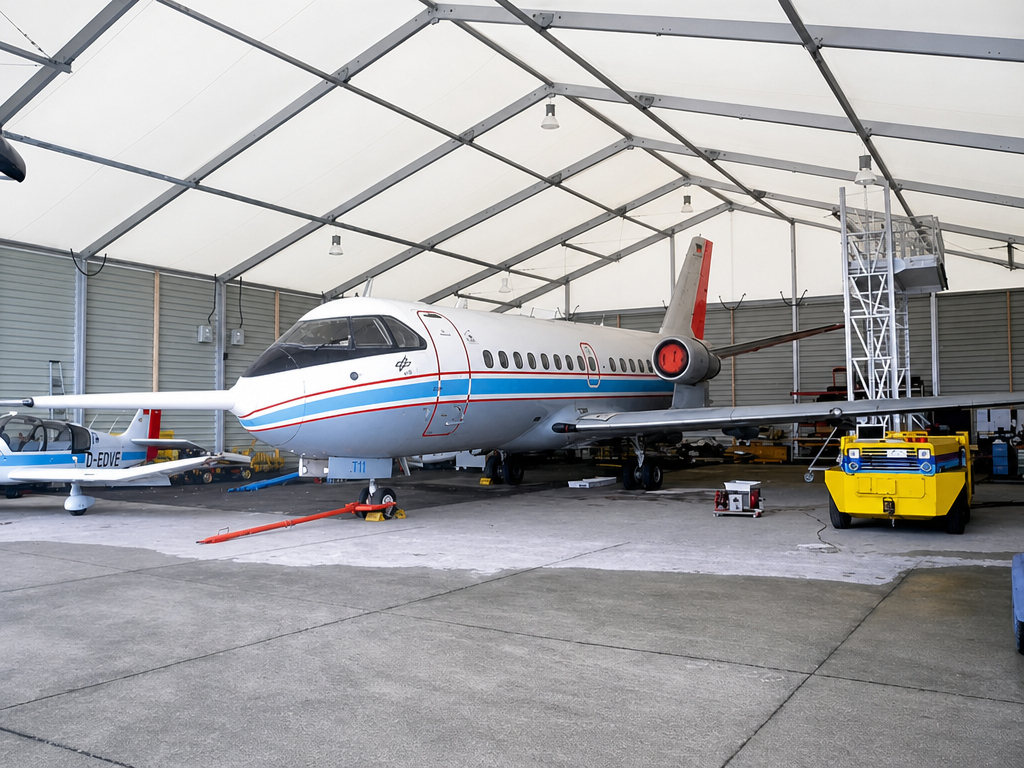
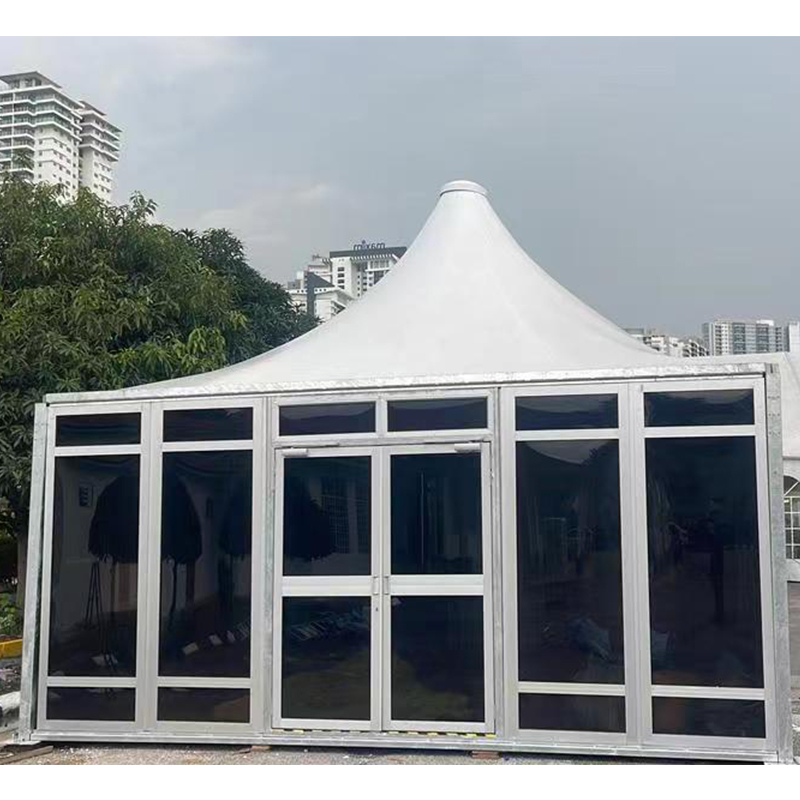
Portable airplane hangars for sale are increasingly becoming a practical solution for various industries, offering flexible and reliable storage for aircraft. When considering the purchase of a portable airplane hangar, potential buyers often focus on factors such as durability, customization, and compliance with safety standards. This article will guide you through important considerations, specifications, and applications of portable airplane hangars, helping you make an informed purchasing decision.



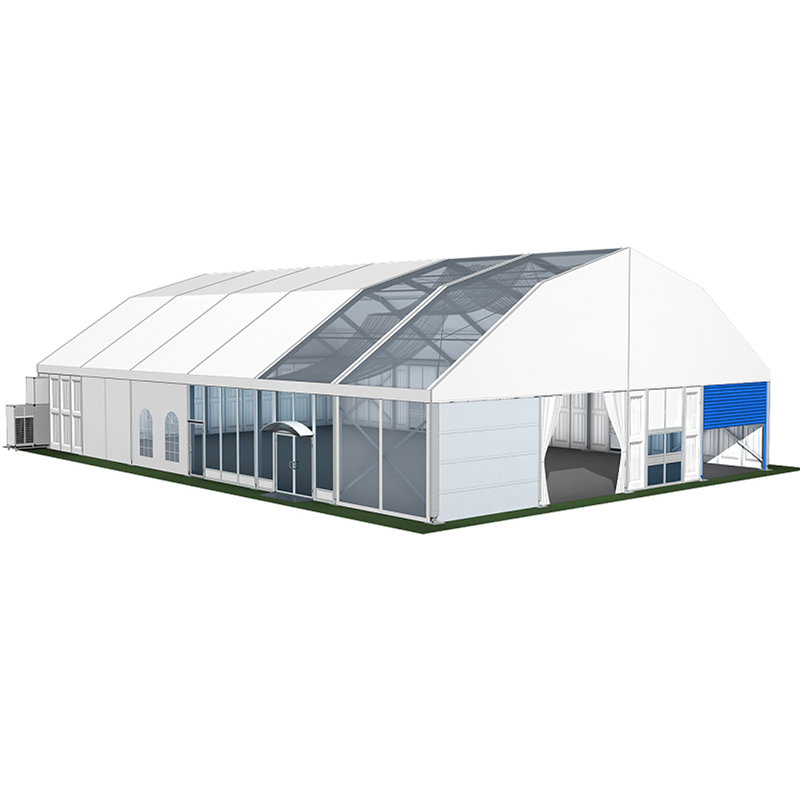
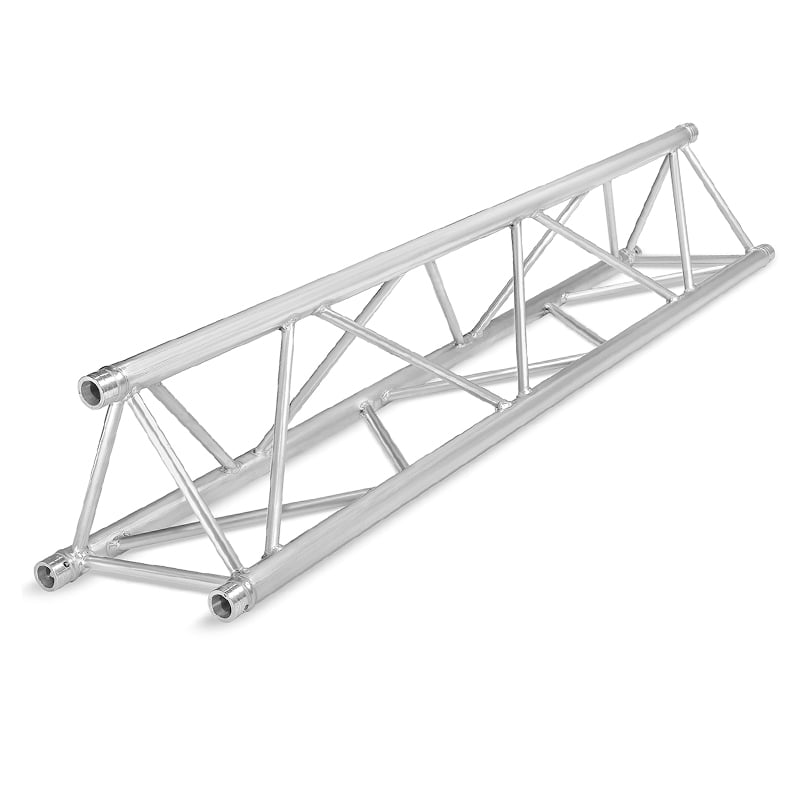


Key Specifications to Evaluate When Buying Portable Airplane Hangars
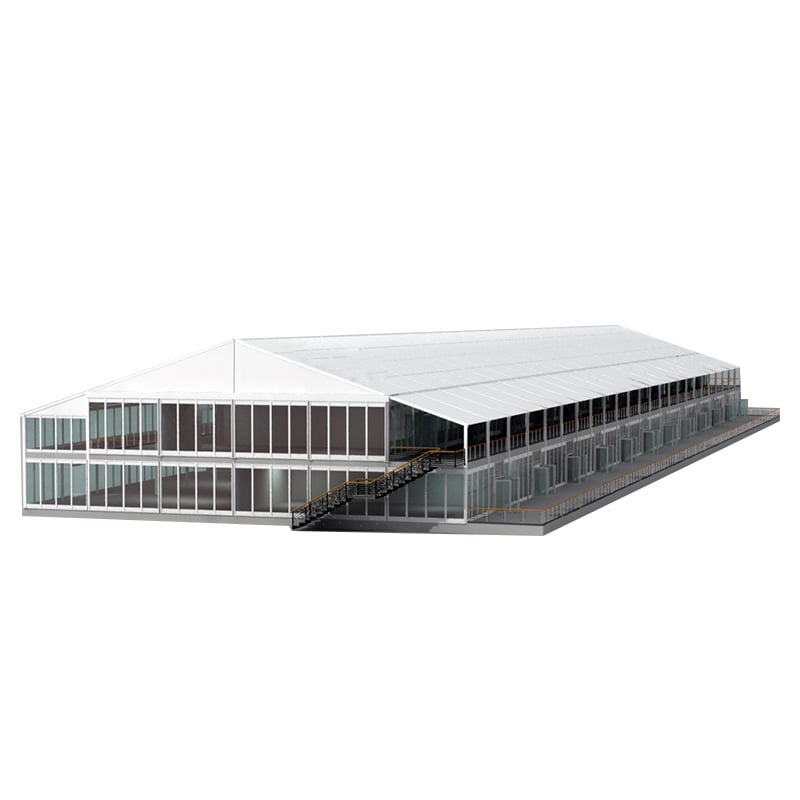
When purchasing a portable airplane hangar, several key specifications should be carefully evaluated to ensure the product meets your operational needs:
Material: The fabric or material used in the construction should provide adequate protection against environmental elements. High-performance materials resistant to UV rays, moisture, and extreme temperatures are essential for ensuring longevity.
Dimensions: Verify that the hangar's dimensions are suitable for your aircraft. This includes checking the height for vertical clearance and the width for wingspan.
Design Features: Look for features such as reinforced seams, wind-resistant frames, and fire-retardant coatings. These elements enhance safety and durability.
Load Ratings: Assess the hangar's load ratings for snow and wind. Ensure that they align with the conditions typical for your location to avoid structural failures.
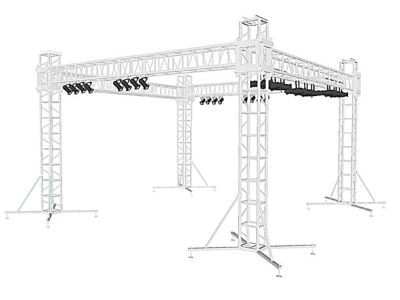
Portability: Confirm that the hangar can be easily assembled and disassembled, which is critical for temporary installations or frequent relocations.
Understanding these specifications will help ensure that you select a hangar that not only protects your investment but also complies with local regulations.