EN

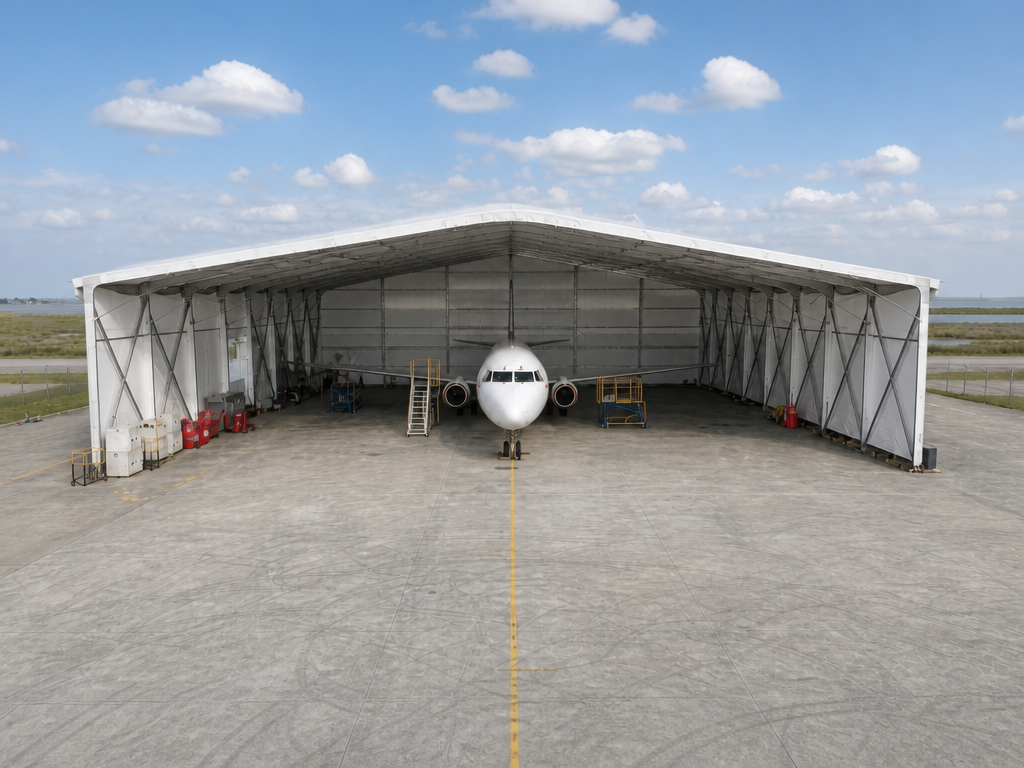
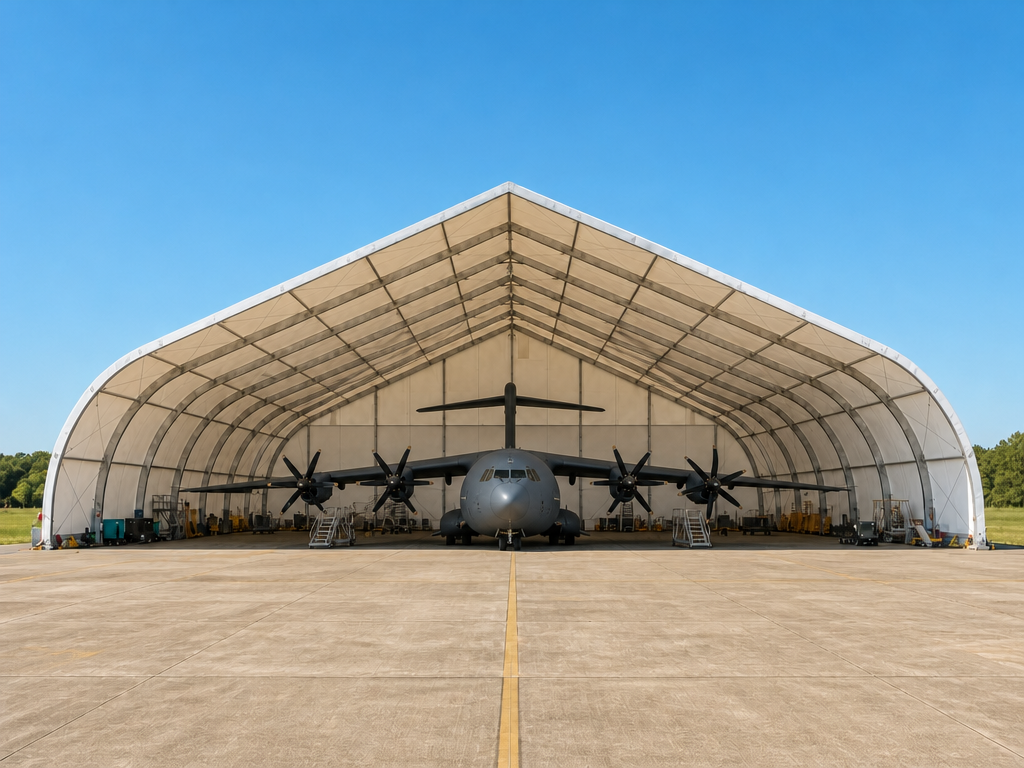
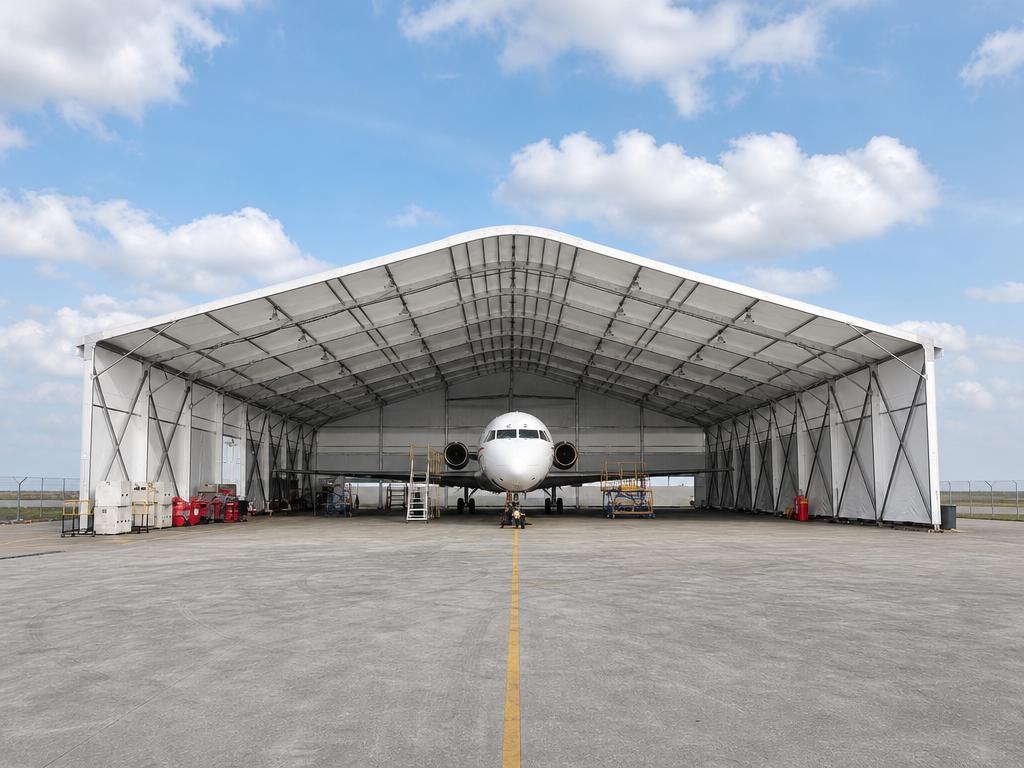
Portable airplane hangars are versatile structures designed to provide protection and storage for aircraft in a range of environments. As a B2B buyer, whether you are a purchasing manager, distributor, or product manager, your primary concerns will likely revolve around the durability, safety, and cost-effectiveness of these hangars. This article will guide you through the essential considerations for selecting the right portable airplane hangar, including specifications, cost factors, common issues, and reliable suppliers.


Key Specifications to Evaluate in Portable Airplane Hangars
When assessing portable airplane hangars, several specifications should be carefully considered:
Material: The choice of material affects durability and weather resistance. Common options include high-strength fabric, steel frames, or aluminum structures. High-quality materials ensure longevity and compliance with safety standards.
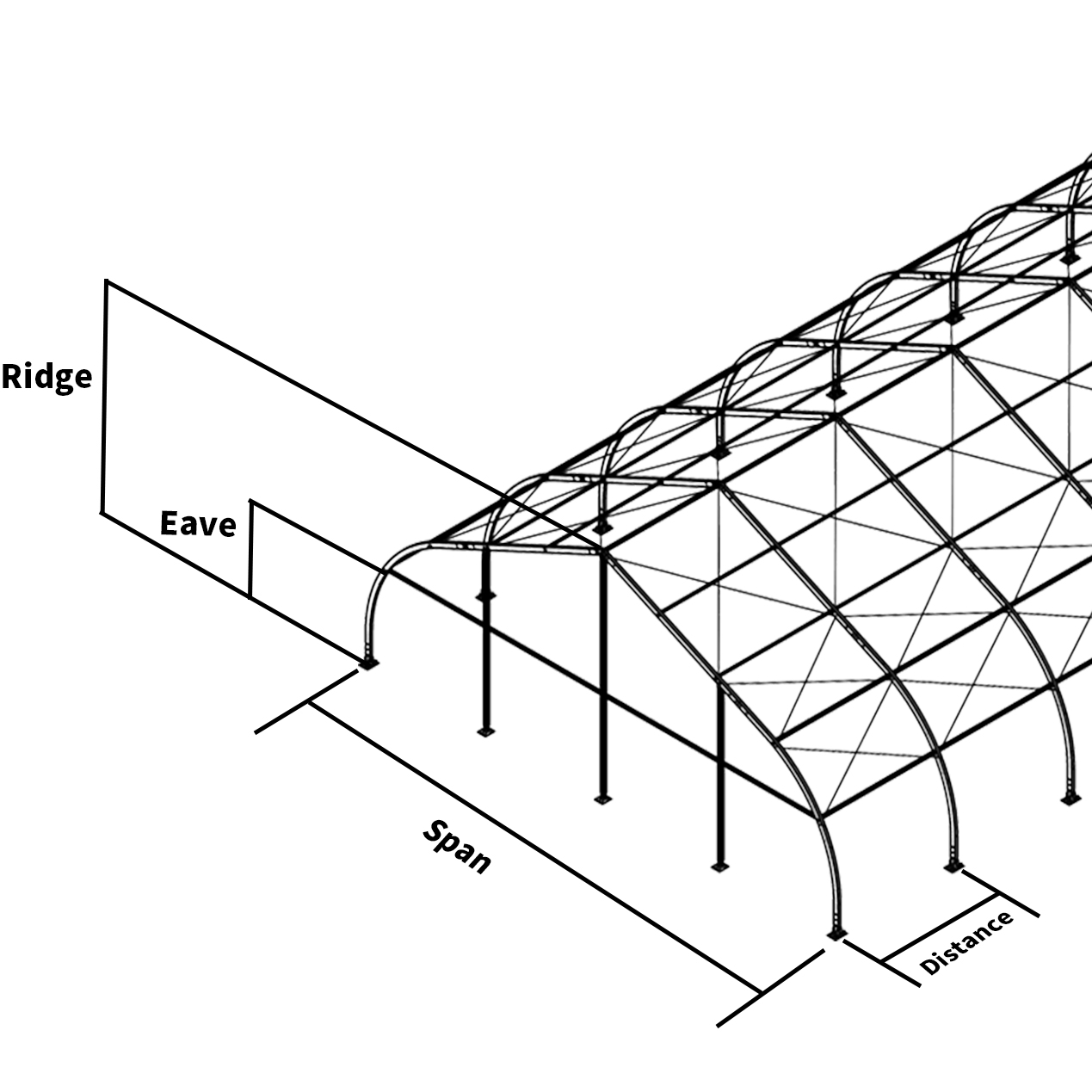
Dimensions: The hangar must accommodate your aircraft’s size, including wingspan and height. Accurate dimensions help prevent operational issues and ensure safe storage.
Wind Load Capacity: This specification indicates how much wind pressure the hangar can withstand. Proper evaluation is crucial, especially in regions with high wind speeds.
Snow Load Capacity: Similar to wind load, this measures how much snow the hangar structure can support. This is particularly relevant in winter-prone areas.
Fire Safety Standards: Ensure the hangar meets relevant fire safety regulations. This may involve specific materials or treatments that enhance fire resistance.
Understanding these specifications will enable you to evaluate different models effectively and select a hangar that meets your needs.