EN

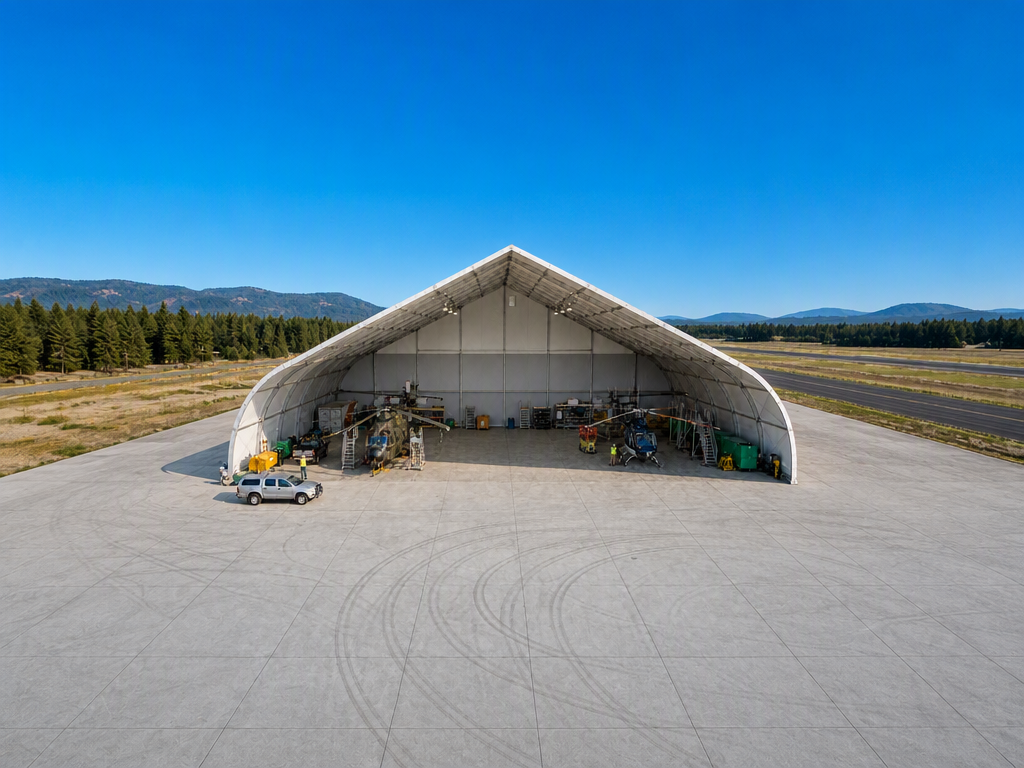
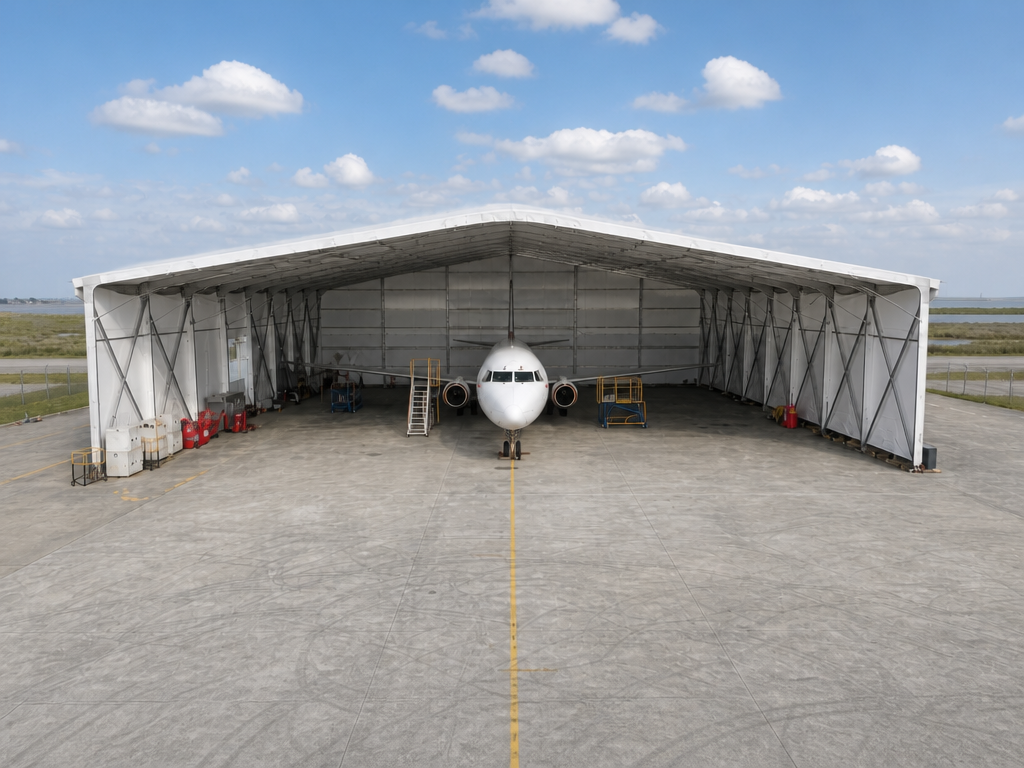
Temporary aircraft hangars are essential structures designed to provide flexible, secure, and weather-resistant storage for aircraft. These hangars are particularly valuable for businesses that require rapid deployment and relocation capabilities, such as in military operations, emergency response, or seasonal air travel. Key concerns for B2B buyers typically include durability, safety standards, ease of assembly and disassembly, and overall cost-effectiveness. This article will help you understand the critical specifications, purchasing tips, and common applications of temporary aircraft hangars, guiding you toward making informed decisions.
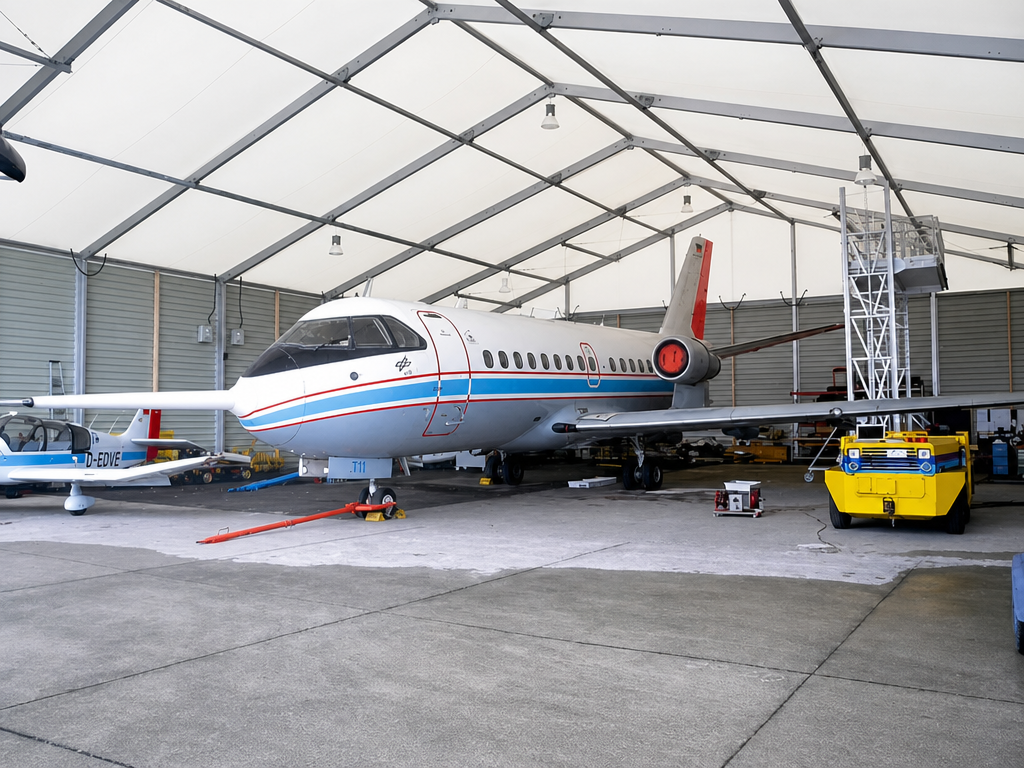
How to Compare Temporary Aircraft Hangar Options for Your Projec
When selecting a temporary aircraft hangar, it’s essential to compare several factors to ensure you're making an informed choice:
Cost Considerations: Evaluate the initial purchase cost against the long-term value. Consider factors like durability, maintenance costs, and potential resale value. Sometimes a higher upfront investment may offer significant savings in the long run due to lower maintenance and better performance.
Supplier Reputation: Research potential suppliers to gauge their reliability. Look for manufacturers with a proven track record in the industry, preferably those with experience in producing temporary structures for aviation use.
Lead Times: Understand the lead times for delivery and installation. Depending on your project timeline, ensure the supplier can meet your deadlines without compromising quality.
Quality Assurance: Inquire about the manufacturing process and quality control measures. A reliable supplier should have documented processes for testing and inspecting their products before shipment, ensuring that what you receive meets the promised specifications.
Customer Reviews and Case Studies: Look for testimonials or case studies from other businesses that have used the hangars. This can provide insights into the performance of the hangars in real-world conditions.