EN

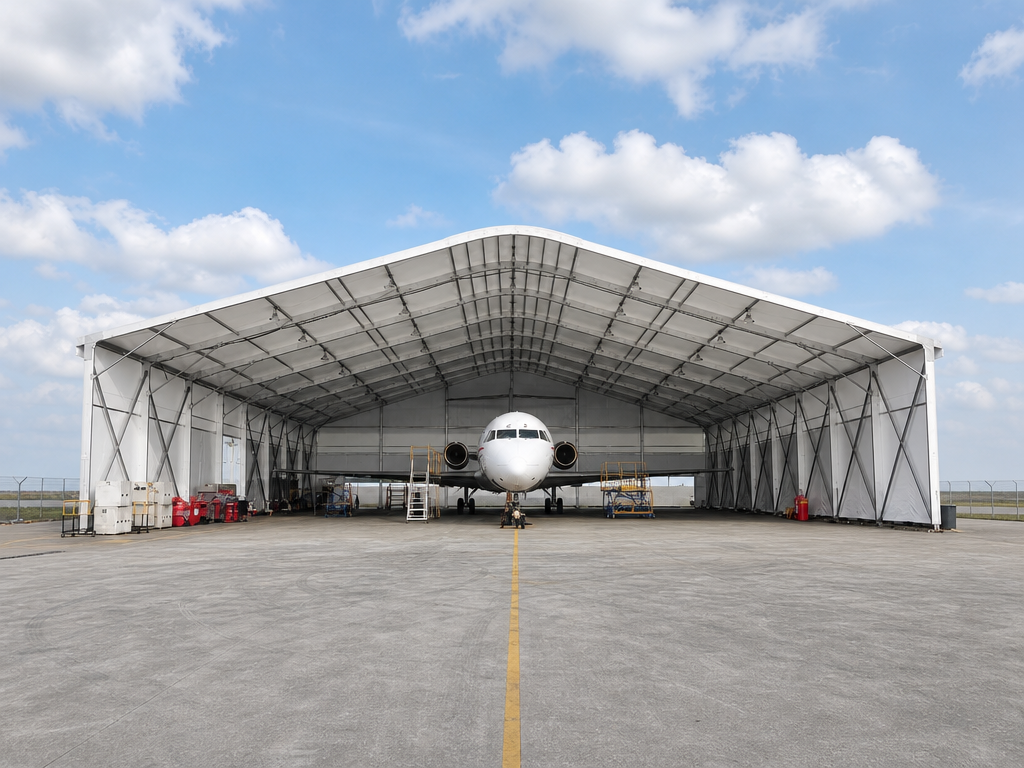
Temporary hangars offer flexible, reliable solutions for various industries requiring quick and efficient shelter solutions. As a purchasing manager or engineer, you may face challenges such as assessing quality, ensuring compliance with safety standards, and understanding customization options. , we will explore how to choose the right temporary hangars for your project, discuss key specifications to consider, outline a step-by-step sourcing process, address common problems and their solutions, and highlight versatile applications across different sectors.
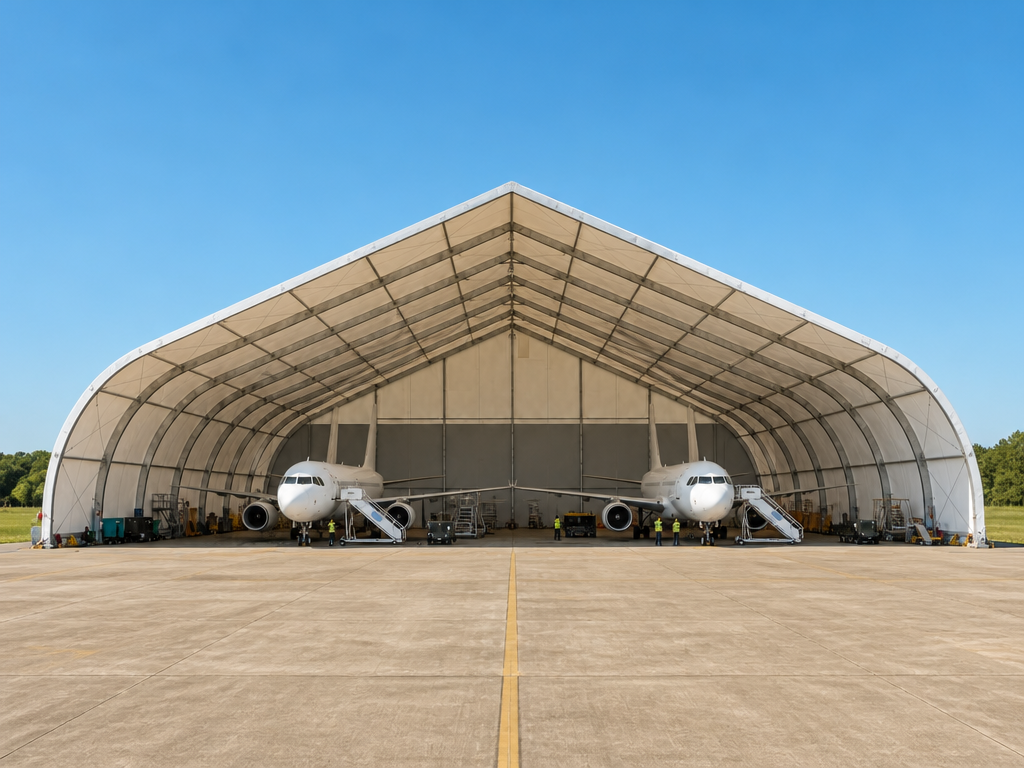
Key Specifications to Consider When Sourcing Temporary Hangars
When sourcing temporary hangars, several key specifications should be evaluated to ensure the structure meets your operational and safety requirements:
Material: The choice of materials significantly affects durability, weight, and resistance to elements. Look for high-quality, weather-resistant fabrics that are fire-retardant and can withstand UV exposure.
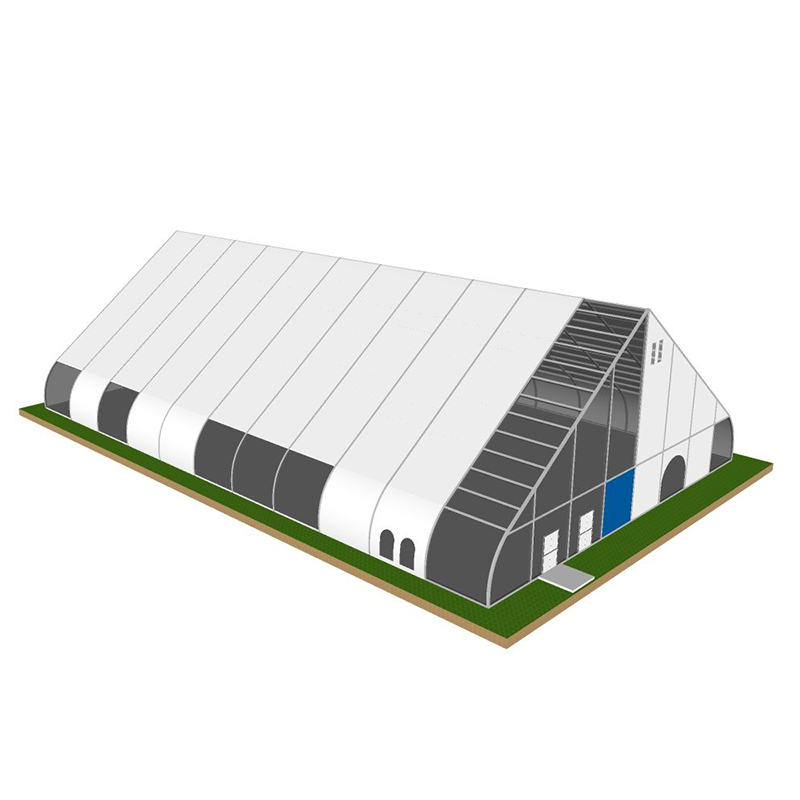
Dimensions: Confirm the hangar's dimensions, including height, width, and length. Ensure that the structure accommodates the size of the equipment or vehicles it will house.
Structural Integrity: Review the wind and snow load ratings, which indicate how much stress the hangar can withstand. This is crucial for safety and compliance with local regulations.
Installation Method: Understand how the hangar will be set up and whether it requires a permanent foundation or can be relocated easily.
Certifications: Verify that the hangars are CE/SGS-certified to ensure they meet recognized safety standards. This is especially important for applications in regulated industries.
By assessing these specifications, you can ensure that the temporary hangars you choose will provide the necessary support and safety for your operations.