Choosing Portable Aircraft Hangars: Key Considerations

Loading ...

Suzhou Yiqian Outdoor Equipment Co., Ltd.

Get in touch

portable aircraft hangars

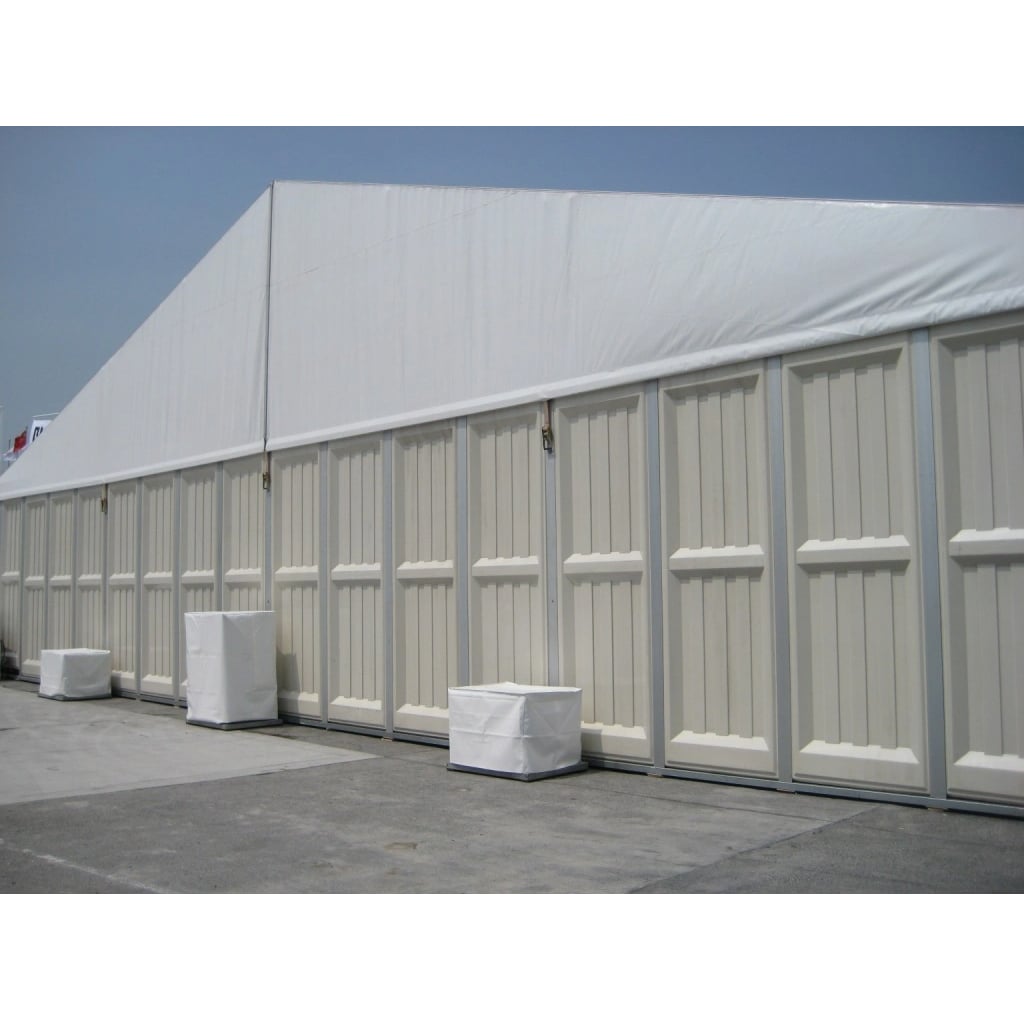
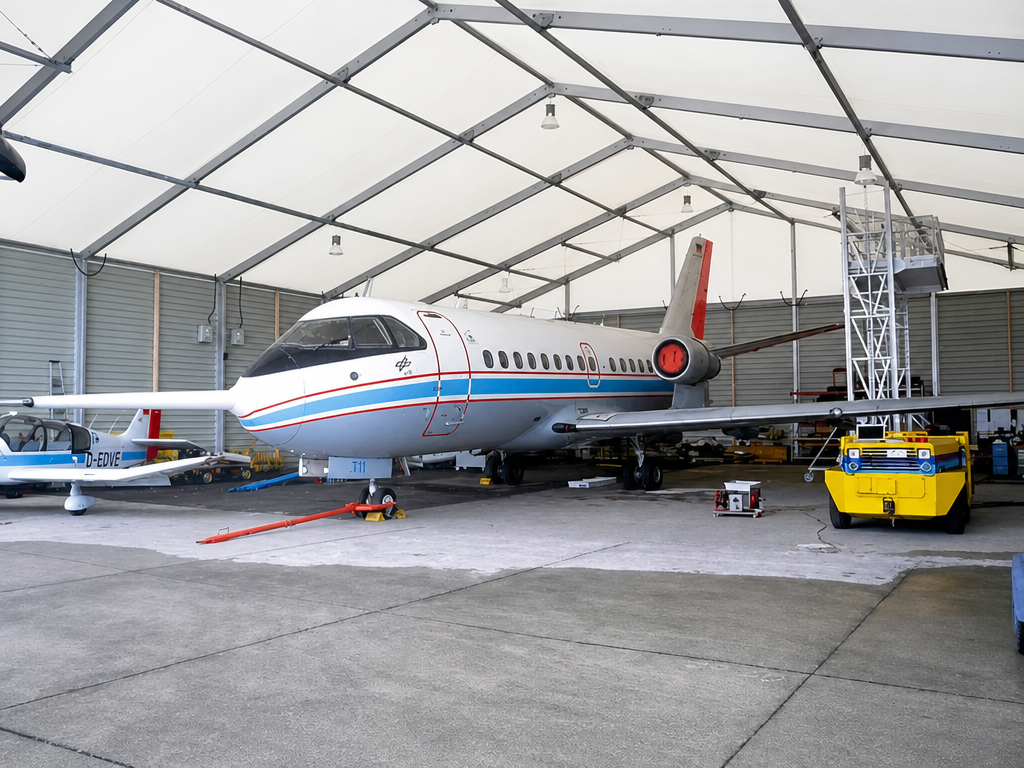
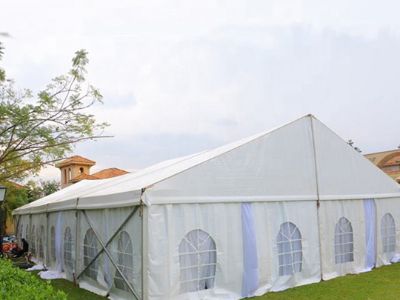
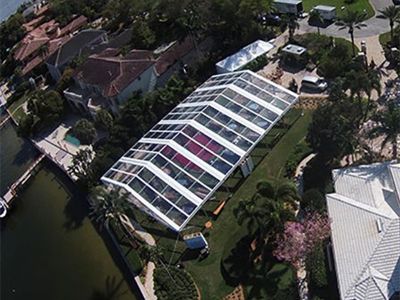
Portable aircraft hangars are versatile, temporary structures designed to provide shelter for aircraft in various environments. As a B2B buyer, you may have concerns about durability, safety, and suitability for specific applications. , we will explore essential factors to consider when selecting portable aircraft hangars, including specifications, materials, best practices, and common challenges, equipping you with the knowledge needed to make informed purchasing decisions.
Our Products

Key Specifications to Consider When Sourcing Portable Aircraft Hangars

Key Specifications to Consider When Sourcing Portable Aircraft Hangars

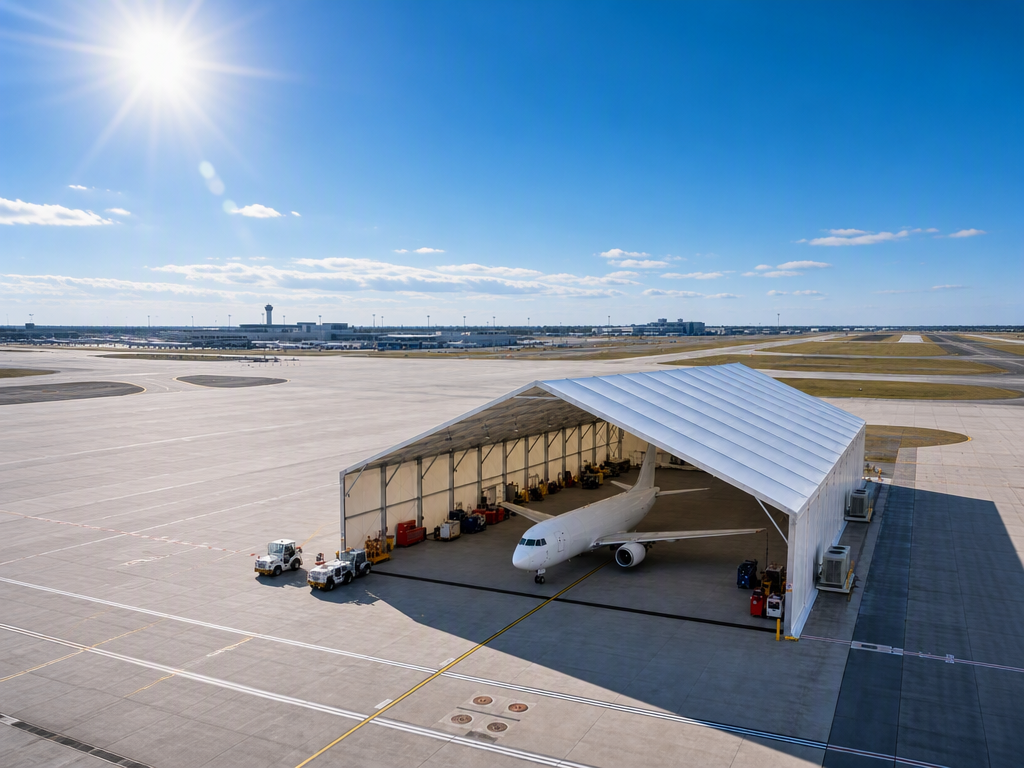
When sourcing portable aircraft hangars, several key specifications should be prioritized:

Dimensions: Confirm the overall length, width, and height to ensure compatibility with your aircraft. Be aware that the size affects not only storage capacity but also installation logistics.

Wind Load Rating: This specification indicates the hangar's ability to withstand wind pressure. A higher rating is essential for locations with frequent high winds.

Snow Load Capacity: For regions with heavy snowfall, ensure that the hangar can support the weight of accumulated snow without risk of collapse.

Material Thickness: The thickness of the fabric or walls contributes to durability and insulation. Thicker materials generally offer better protection against environmental factors.

Fire Resistance Rating: Given the nature of aircraft fuel and maintenance, a hangar with a high fire resistance rating can enhance safety.

Portability Features: Assess how easily the hangar can be disassembled and reassembled. Features like lightweight frames and compact packing options can facilitate transport and setup.

Understanding these specifications allows buyers to align their needs with the right product, ensuring safety and functionality.
Evaluating Portable Aircraft Hangar Materials

Evaluating Portable Aircraft Hangar Materials

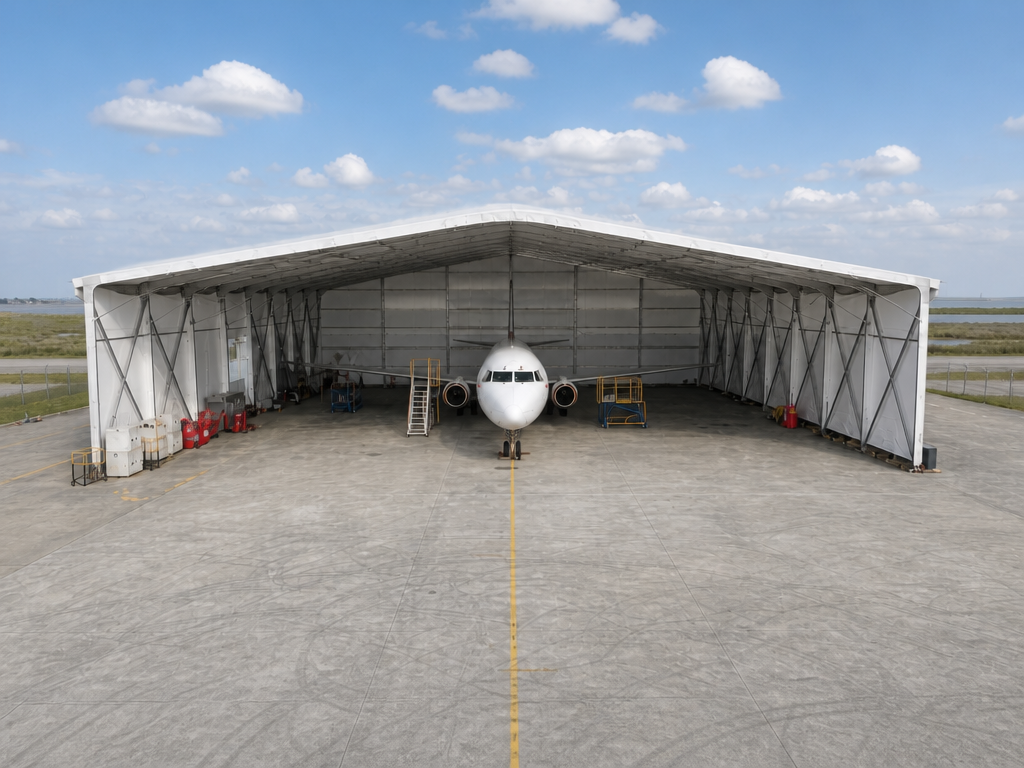
The choice of materials used in portable aircraft hangars significantly impacts their performance and longevity. Common materials include:

Fabric: High-strength, weather-resistant fabrics are often used for the outer covering. Look for materials that are UV-resistant and have a high tensile strength to withstand harsh conditions.

Frames: Aluminum and steel are popular for the structural frames due to their strength and lightweight properties. Steel offers greater durability but may add weight, which is a consideration for portability.

Insulation: Depending on your location, insulating materials may be necessary to protect aircraft from extreme temperatures. Insulation helps maintain a stable internal environment, crucial for sensitive electronic systems.

Flooring: Consider whether the hangar requires a solid floor. Some applications may benefit from reinforced ground covers that provide stability and protect the aircraft from ground moisture.

When evaluating materials, communicate with suppliers about the expected operational conditions to ensure that chosen materials will meet durability and safety requirements.

Best Practices

Best Practices

To maximize the functionality and lifespan of portable aircraft hangars, consider the following best practices:

Site Preparation: Ensure the ground is level and adequately drained to prevent water accumulation, which can affect structural integrity.

Regular Maintenance: Implement a routine inspection schedule to check for wear, damage, or potential issues with the frame and cover. Addressing problems early can extend the hangar's lifespan.

Proper Setup: Follow manufacturer guidelines during installation. Incorrect assembly can compromise the hangar's structural integrity and safety.

Secure Anchoring: Utilize appropriate anchoring systems to stabilize the hangar, especially in windy conditions. Ground stakes or weights can enhance security.

Training Personnel: Ensure that the personnel involved in setting up and maintaining the hangar are trained to recognize potential issues and adhere to safety protocols.

By adhering to these practices, buyers can ensure their portable aircraft hangars remain effective and safe over time.

Common Problems with Portable Aircraft Hangars and Their Solutions

While portable aircraft hangars offer flexibility and convenience, they may encounter specific challenges. Understanding these issues allows for proactive management:

Tearing or Wear on Fabric: Over time, the fabric may experience wear due to UV exposure or abrasive conditions. Regular inspections should be conducted, and repairs should be made using manufacturer-approved patches or materials.

Structural Instability: If the hangar is not anchored properly, it may become unstable in high winds. Ensure that all anchoring systems are in place and regularly checked.

Condensation Issues: In humid environments, condensation can form inside the hangar, potentially affecting aircraft. Ensure adequate ventilation and consider using moisture-absorbing materials.

Installation Errors: Incorrect setup can lead to structural weaknesses. Always reference the manufacturer’s installation guidelines and seek assistance if necessary.

Limited Lifespan: Depending on material quality and environmental exposure, portable hangars may have a limited lifespan. Buyers should consider the expected duration of use and choose materials and designs that align with their longevity expectations.

By recognizing these common issues and their solutions, buyers can enhance the reliability and effectiveness of their portable aircraft hangars, ensuring operational readiness for their aircraft.

How to Choose the Right Portable Aircraft Hangar for Your Needs

Selecting the right portable aircraft hangar involves assessing your specific requirements, including the type and size of aircraft, intended use, and environmental conditions. Start by evaluating the dimensions of the hangar. Ensure it can accommodate the wingspan and height of the aircraft while allowing for operational space. Additionally, consider the hangar's intended use—whether for short-term storage, maintenance, or long-term shelter—as this will influence the necessary features and specifications.

Another crucial factor is the location where the hangar will be deployed. Different environments have distinct demands; for example, a hangar intended for use in areas prone to heavy snowfall may require reinforced structures and materials that can withstand additional loads. Wind resistance is also a critical consideration, particularly for portable hangars used in exposed locations. Always consult with your supplier about the specific requirements for your operational area to ensure the hangar meets local codes and safety standards.

Frequently Asked Questions

What materials are portable aircraft hangars made of?

Our portable aircraft hangars use high-strength aluminum frames and fire-retardant, waterproof PVC fabric meeting CE/SGS safety standards for durability and weather resistance.
Yes. We manufacture hangars to meet CE and SGS certifications and design them to withstand specified wind, snow loads, and fire safety requirements.
Typical assembly time varies by size but most hangars can be erected by a trained team within hours to a few days; disassembly follows a similar timeline for relocation or storage.
Yes. We offer custom dimensions, door types, and configurations to accommodate different aircraft sizes and operational needs as a one-stop space solution.
Yes. We export to over 50 countries and provide logistics, installation guidance, spare parts, and technical support to ensure reliable long-term use.

Our Blog Posts

Outdoor Festival Tents: Georgia Beer Festival

22

Mar

Outdoor Festival Tents: Georgia Beer Festival

Court Cam, The Dance Network, The Girl In The Woods, Infamy, and others. So one great idea to have an outdoor festival! There are a variety of different festivals in Georgia that you can enjoy, and one of them is the Georgia Beer Festival, one of the...
View More
The Many Uses of Tents as Modular Buildings

22

Mar

The Many Uses of Tents as Modular Buildings

Not just for camping trips anymore. They are common facilities, applied in many aspects. Modular buildings are one of the most interesting uses of tents. Modular Buildings are made of different parts that can be assembled quickly and disassembled whe...
View More
How Modular Wedding Tents Adapt to Different Venue Layouts?

04

Oct

How Modular Wedding Tents Adapt to Different Venue Layouts?

Couples always dream of a beautiful wedding venue, which shows their love and who they are. Yet, it can be quite a task to find the right venue arrangement. Yiqian wedding tent which is not a problem. These tents are diverse and can be pitc...
View More
Why Anti-Slip Stage Platforms Pair Perfectly with Our Trusses

18

Apr

Why Anti-Slip Stage Platforms Pair Perfectly with Our Trusses

Yiqian makes really good anti-slip stage platforms that works well with our trusses. These platforms are very important for events like concerts, plays or presentations. They keep performers and equipment safe and also look nice. When you plan event,...
View More

Get in Touch with MKAS

Ready to discuss your fitness gear project? Our team is here to answer questions, provide samples, or prepare a custom quote. Reach out today—we typically respond within 24 hours.
Email
Name
Message
0/1000

Related product categories