EN

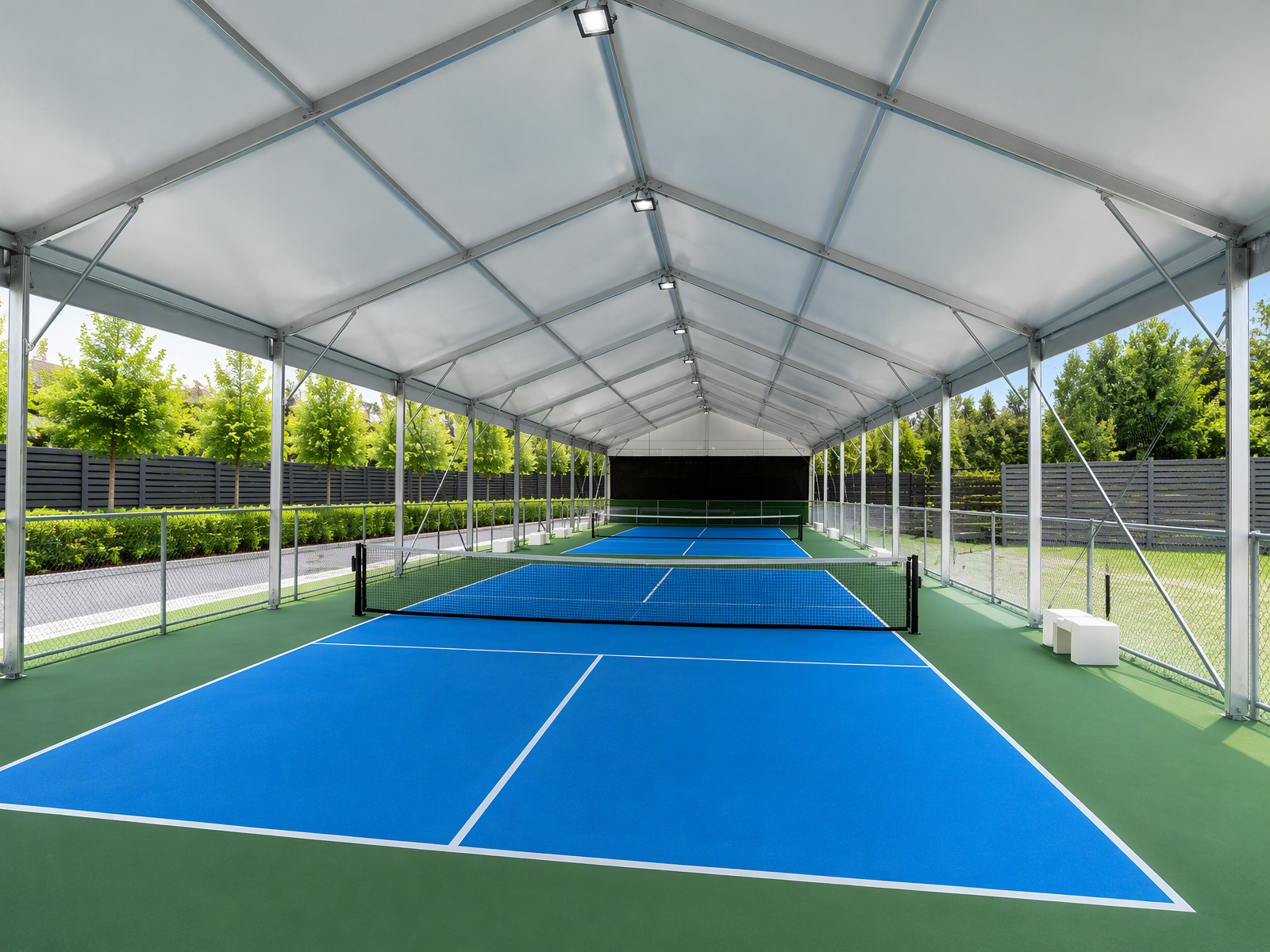
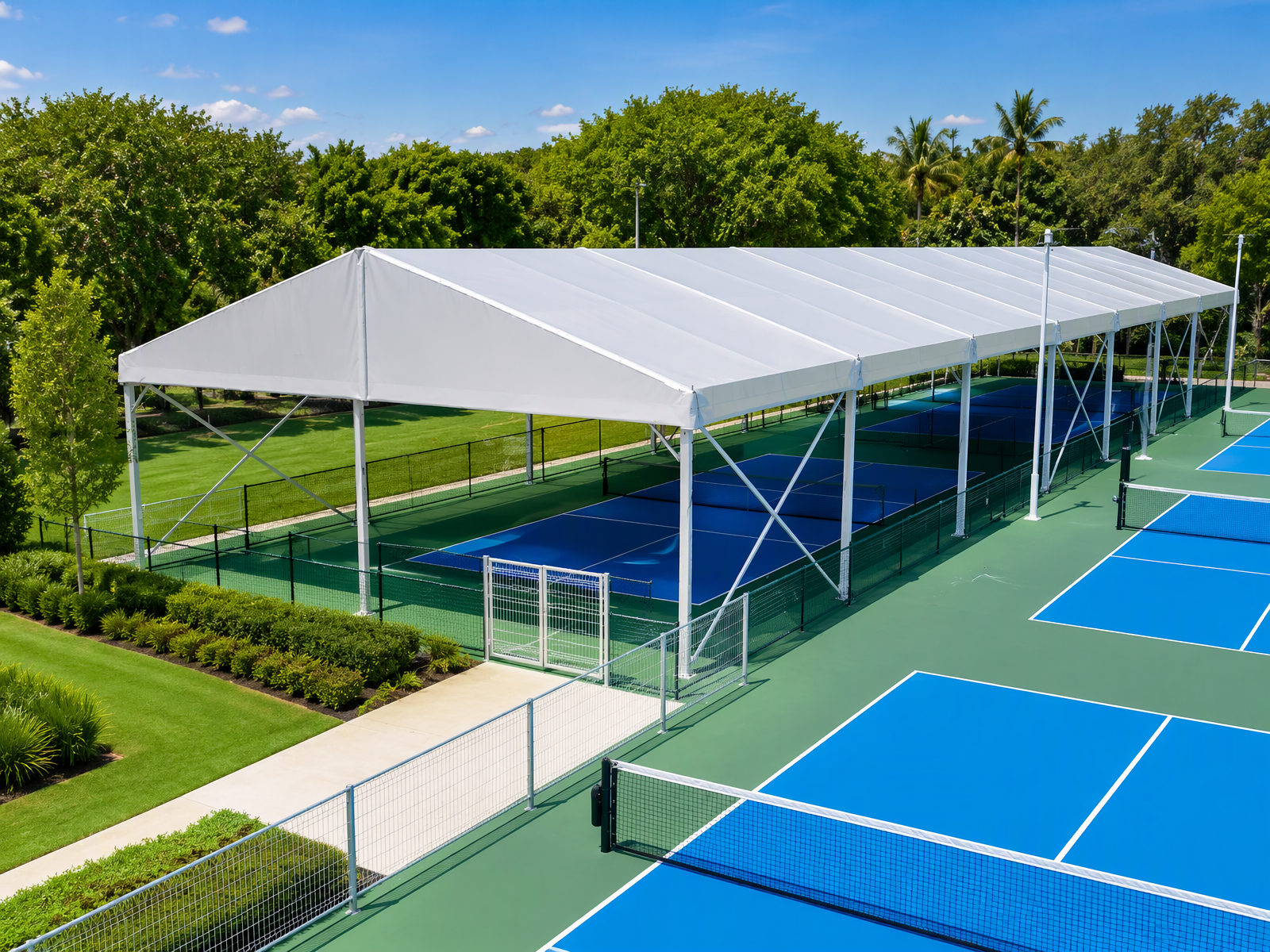
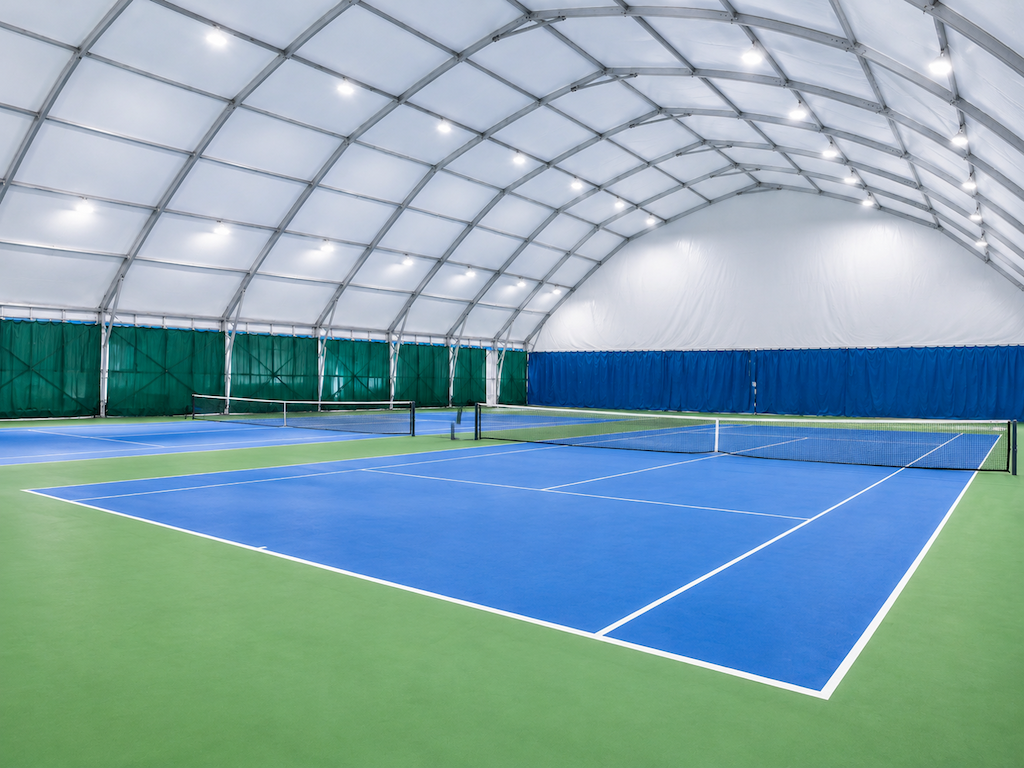
Covered tennis court construction involves creating specialized, enclosed structures designed to facilitate year-round play, regardless of weather conditions. For B2B buyers, key concerns often include the quality of materials, construction techniques, and the reliability of suppliers. This article will guide purchasing managers, engineers, and facility managers through essential considerations when evaluating covered tennis courts, helping them make informed decisions that align with their operational needs and safety standards.
Finding Reliable Suppliers for Tennis Courts
Identifying trustworthy suppliers is crucial for a successful covered tennis court project. Here are some strategies:
Research and Reviews: Start by researching potential suppliers online. Look for reviews and testimonials from previous clients, which can provide insight into their reliability and product quality. Industry forums and trade shows can also be valuable resources for recommendations.
Request Samples: Before making a significant investment, request samples of the materials and a portfolio of completed projects. This allows for firsthand evaluation of the quality and aesthetic appeal.
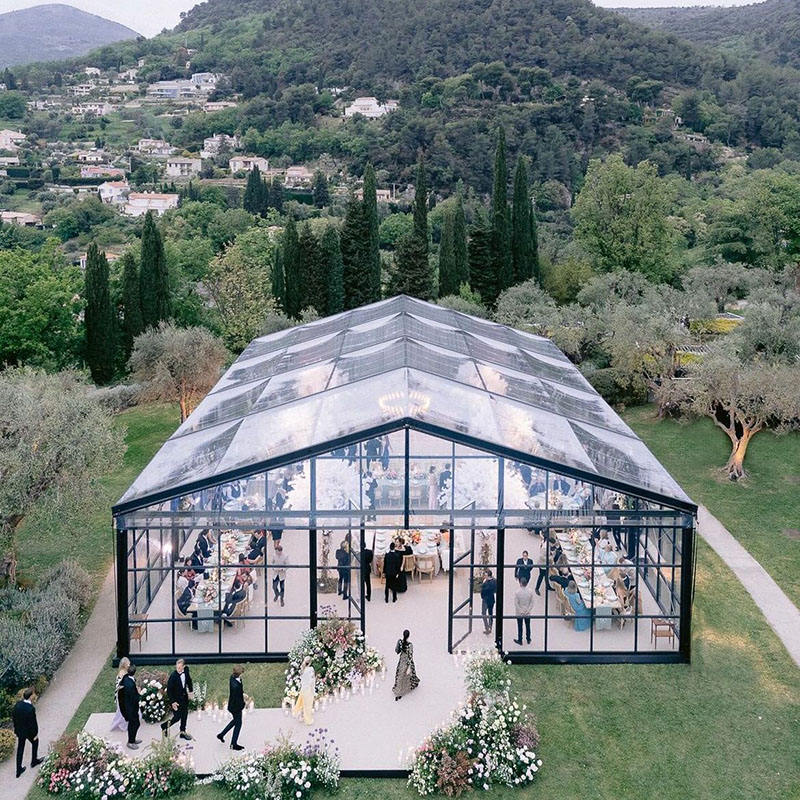
Evaluate Manufacturing Capabilities: Consider the supplier's manufacturing capabilities. A supplier with modern equipment and a skilled workforce is more likely to produce high-quality courts, such as the Wedding Mountain Cathedral Tent. Additionally, inquire about their production capacity and lead times to ensure they can meet your project timeline.
Engage in Direct Communication: Establish a line of communication with potential suppliers to discuss your specific requirements. This interaction can help assess their responsiveness and willingness to accommodate customization requests.