EN

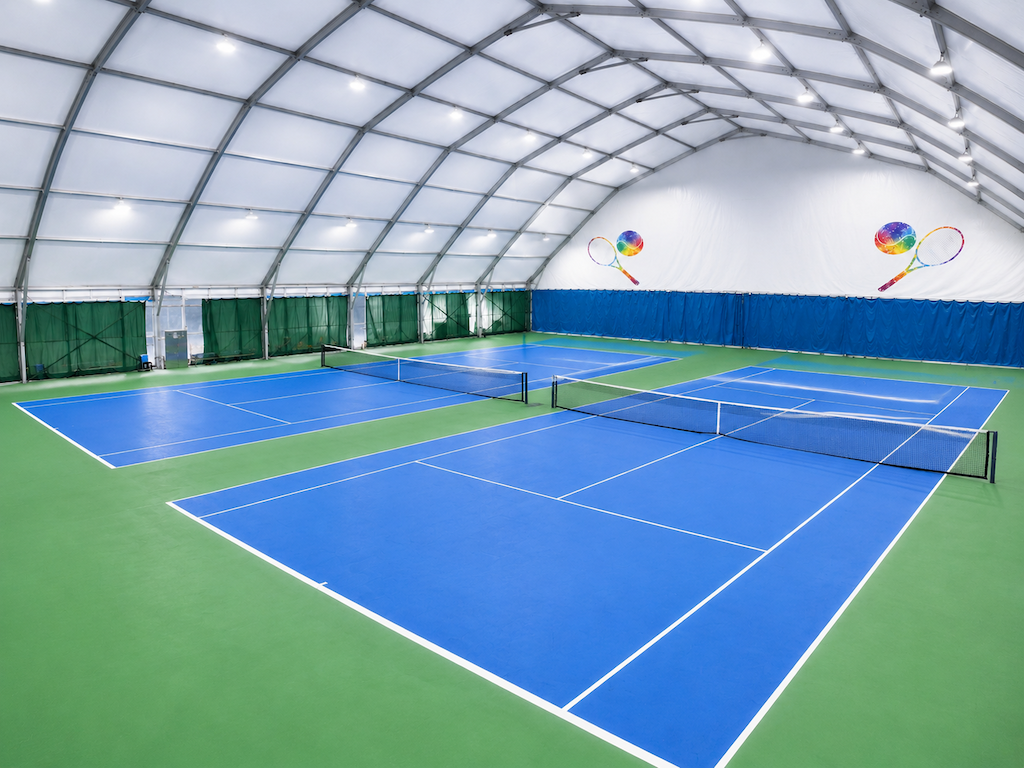
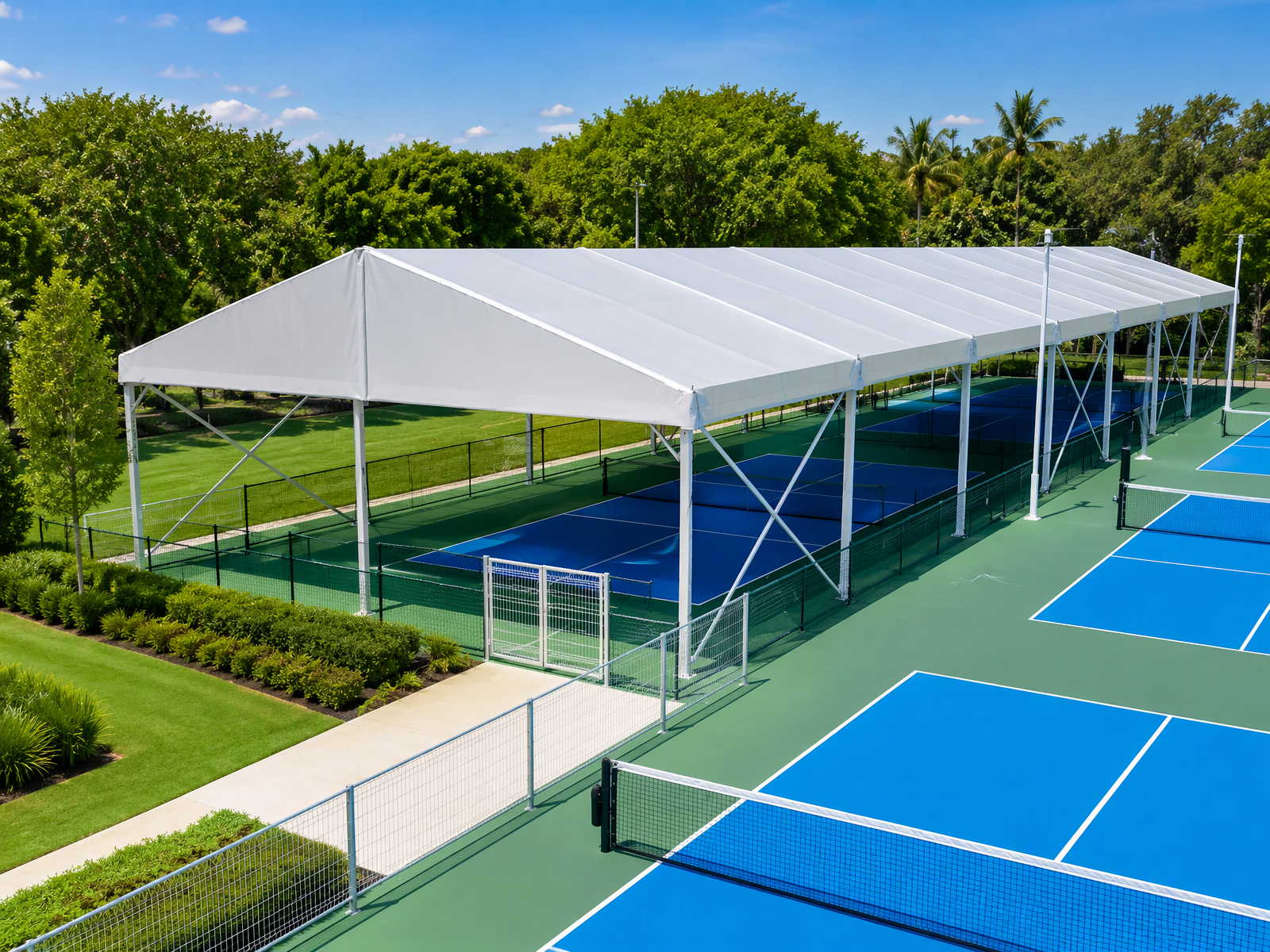
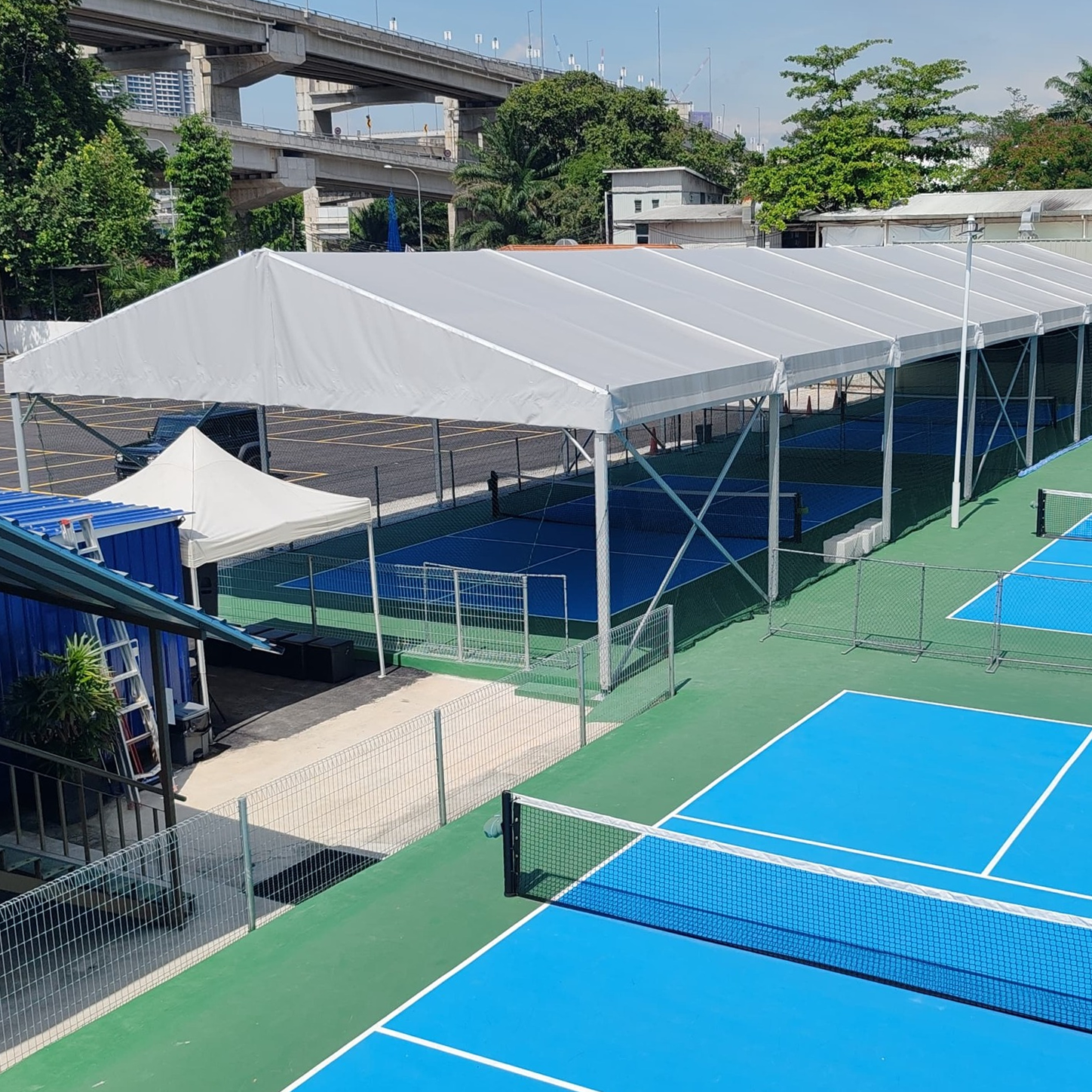
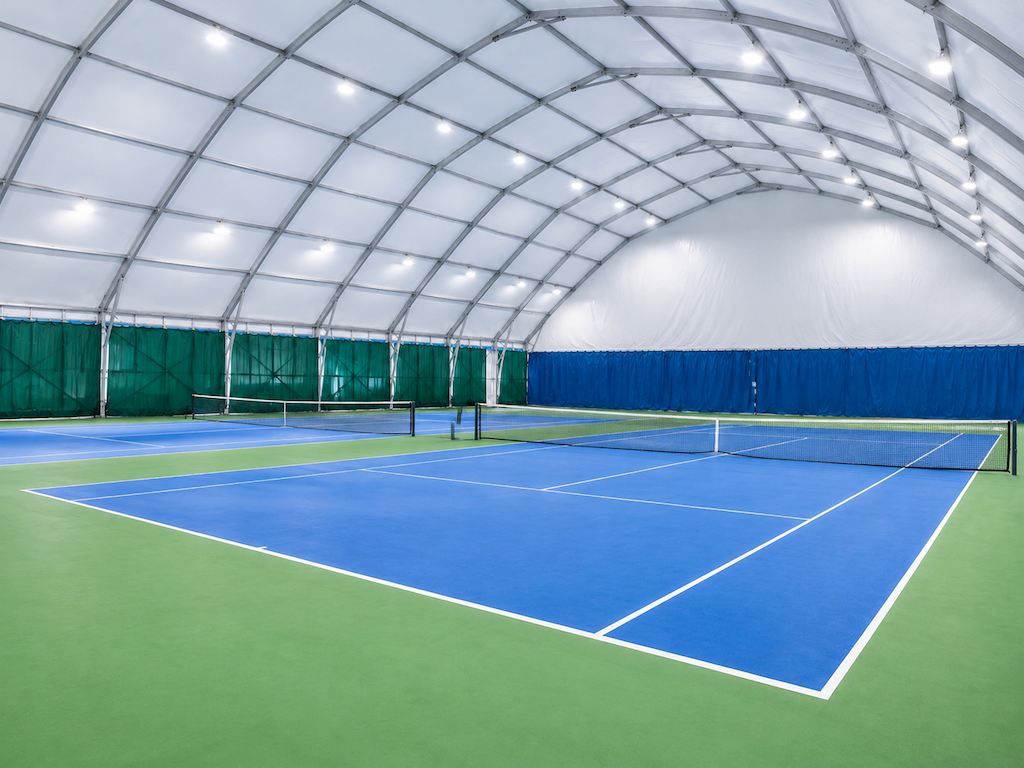
Tennis court covering systems are essential for maintaining optimal playing conditions, protecting surfaces from the elements, and extending the lifespan of tennis courts. As B2B buyers, such as purchasing managers, distributors, and facility managers, you may have concerns about durability, material quality, installation, and cost when selecting a covering system. This article will provide insights into choosing the right tennis court covering systems, key specifications to consider, material evaluations, installation guidance, and cost factors to ensure a well-informed purchasing decision.
Key Specifications to Consider for Tennis Court Covering Systems
When evaluating tennis court covering systems, several key specifications should be prioritized:
Material Type: The choice of material directly affects durability and performance. Common materials include PVC, polyethylene, and advanced composites that offer strength and flexibility. Each material comes with unique properties that influence weather resistance, wear, and maintenance requirements.
Dimensions and Weight: The size and weight of the covering system should align with the court's dimensions and layout. Ensure that the covering can be easily handled and installed without compromising the court's structural integrity.
Wind and Snow Load Ratings: Depending on your location, it’s crucial to consider the wind and snow load ratings of the covering system. This ensures the structure can withstand local weather conditions without risk of damage.
Fire Safety Standards: Compliance with fire safety standards is a must, especially for facilities hosting large events. Verify the certification of the materials used to ensure they meet local regulations.
Understanding these specifications will help you assess the suitability of different covering systems for your specific tennis court application.