EN

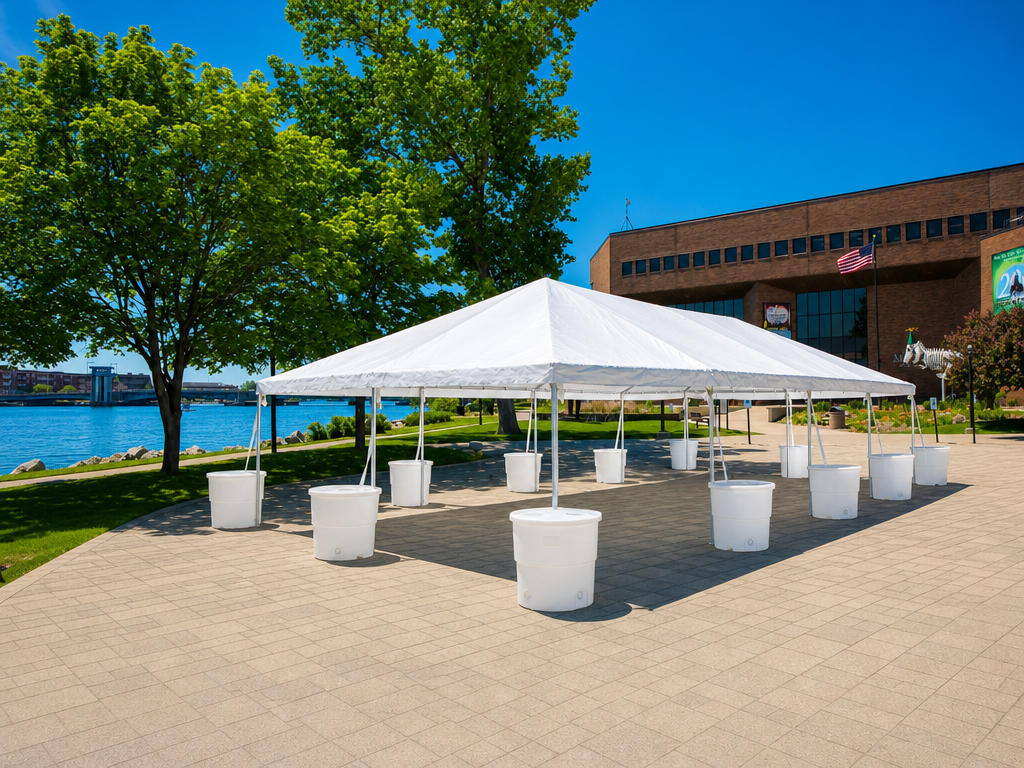
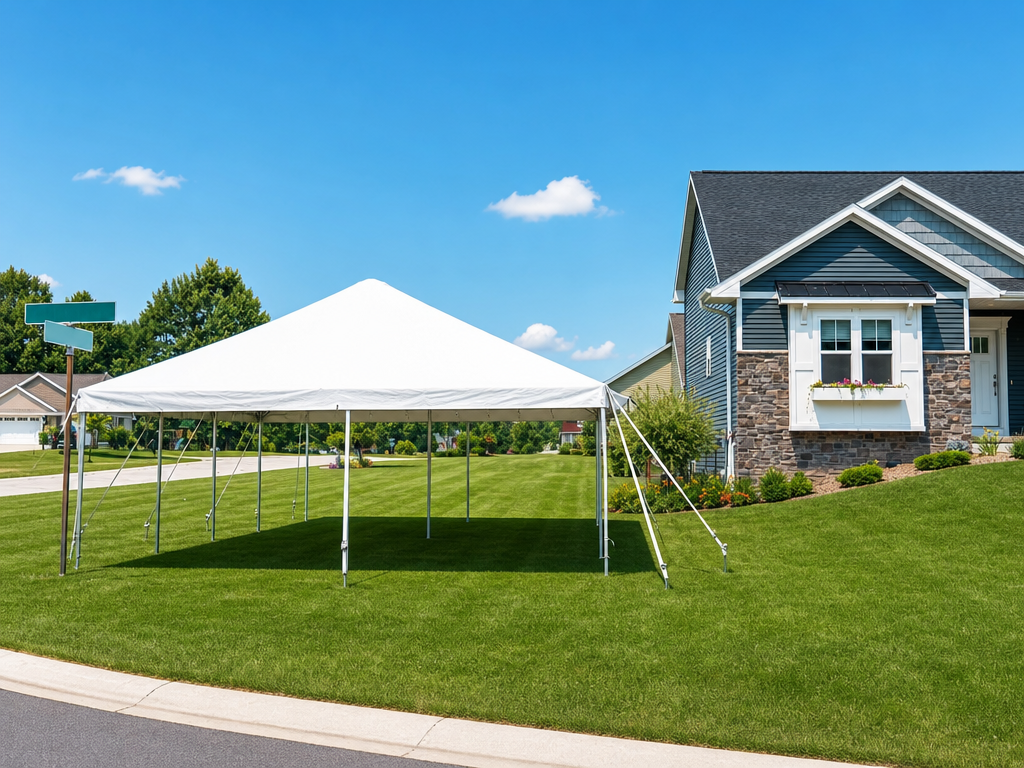
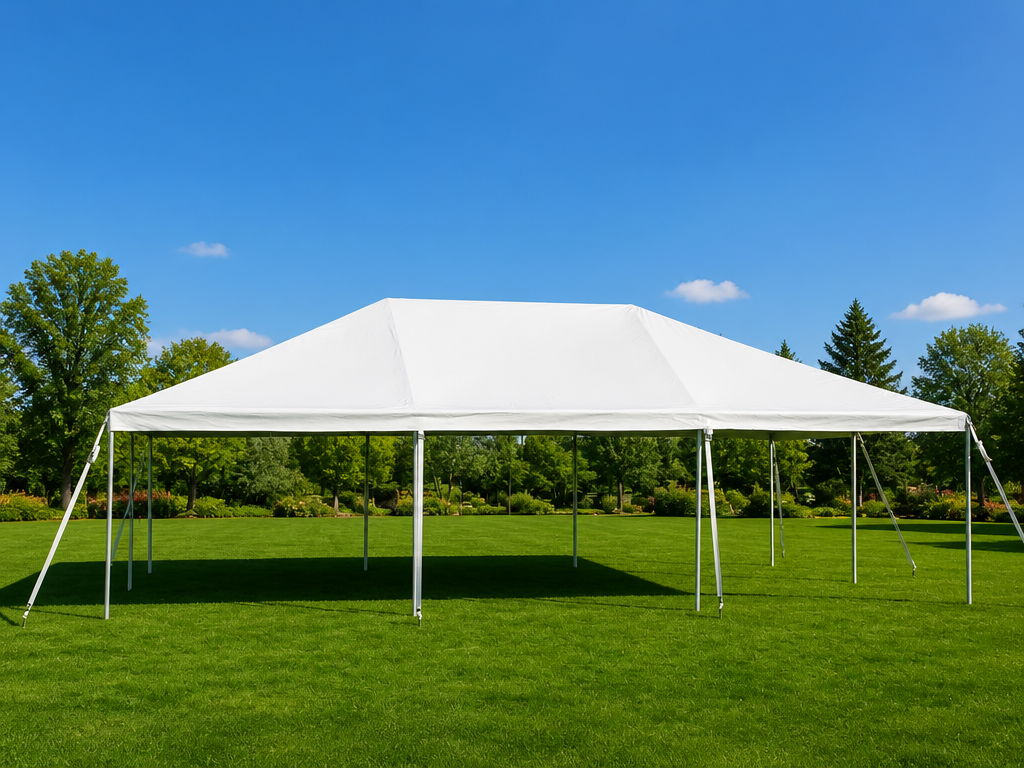
White A Frame Tents are versatile, sturdy structures commonly used for various events, including weddings, sports, and outdoor gatherings. As a purchasing manager or event planner, your main concerns revolve around quality, safety, durability, and suitability for your specific application. This article will guide you through evaluating the quality of white A Frame tents, focusing on key specifications, installation guidance, and the benefits of high-quality materials to help you make an informed purchasing decision.
Key Specifications to Look for in White A Frame Tents
When selecting a White A Frame tent, focus on several key specifications that will determine its suitability for your needs:
Size and Dimensions: Consider the dimensions of the tent, including its height, width, and length, to ensure it fits your intended space. Common sizes range from small tents accommodating intimate gatherings to larger models designed for extensive events.
Material Quality: Opt for tents made from high-grade materials. For example, a thickness of at least 500g/m² is recommended for PVC tents, providing a good balance between weight and durability. If your event is in a humid environment, ensure the fabric has excellent moisture resistance to prevent leaks.
Frame Type: The frame should comprise high-strength materials, such as aluminum for lightweight portability or steel for maximum durability. The frame’s design should ensure easy setup while providing adequate support against wind and snow loads.
Sealing and Waterproofing: Ensure that the seams are double-stitched and heat-sealed, which prevents water ingress and enhances the tent's overall waterproofing capabilities.
Wind and Snow Ratings: Check the manufacturer's specifications for wind load ratings (typically expressed in miles per hour) and snow load capacities, which will help you assess the tent's performance during adverse weather conditions.