EN

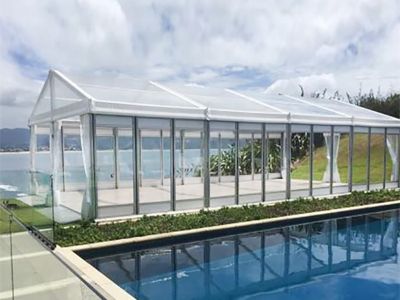
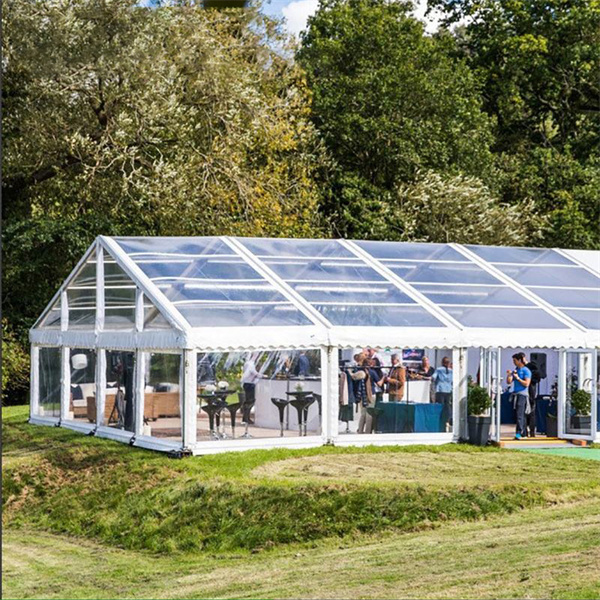
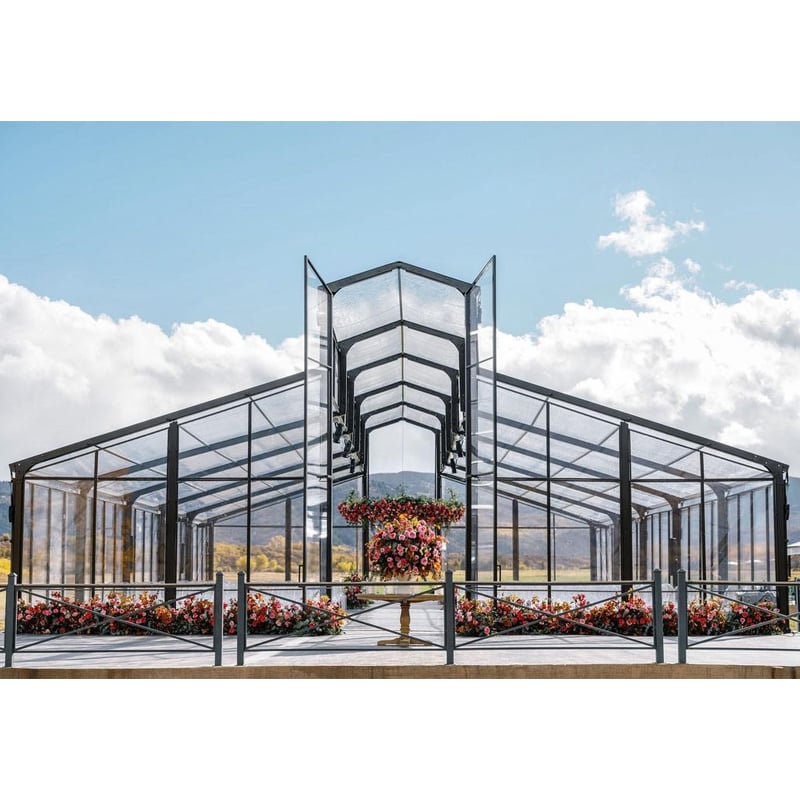
When planning an outdoor event, a wedding white tent is essential for creating a beautiful and functional space that protects guests from the elements. These wedding white tent not only enhance the aesthetic appeal of the venue but also provide a safe, reliable shelter for gatherings of various sizes. This article addresses key specifications, practical considerations, and common issues associated with wedding white tents, helping purchasing managers, event planners, and contractors make informed decisions.
A Contractor's Guide
For contractors involved in setting up wedding white tents, several practical considerations can streamline the process:
Site Assessment: Conduct a thorough site assessment before the event. Check for level ground, potential hazards (like overhanging branches), and access for vehicles and equipment.
Permits and Regulations: Familiarize yourself with local regulations regarding tent installations. Some municipalities require permits for wedding white tent over a certain size, and compliance ensures a hassle-free setup.
Installation Guidelines: Follow the manufacturer’s installation guidelines closely. Specific instructions regarding anchoring methods, especially in high-wind areas, are vital to ensure the tent’s stability.
Logistics Planning: Coordinate logistics, including delivery schedules and equipment rental. Consider the time required for setup and take-down, factoring in potential delays due to weather or other unforeseen circumstances.
Quality Control: Before installation, inspect the wedding white tent for any damages or manufacturing defects. Addressing issues early on can prevent delays and ensure a smooth setup.
By following these guidelines, contractors can enhance their efficiency and ensure a successful tent installation.