EN

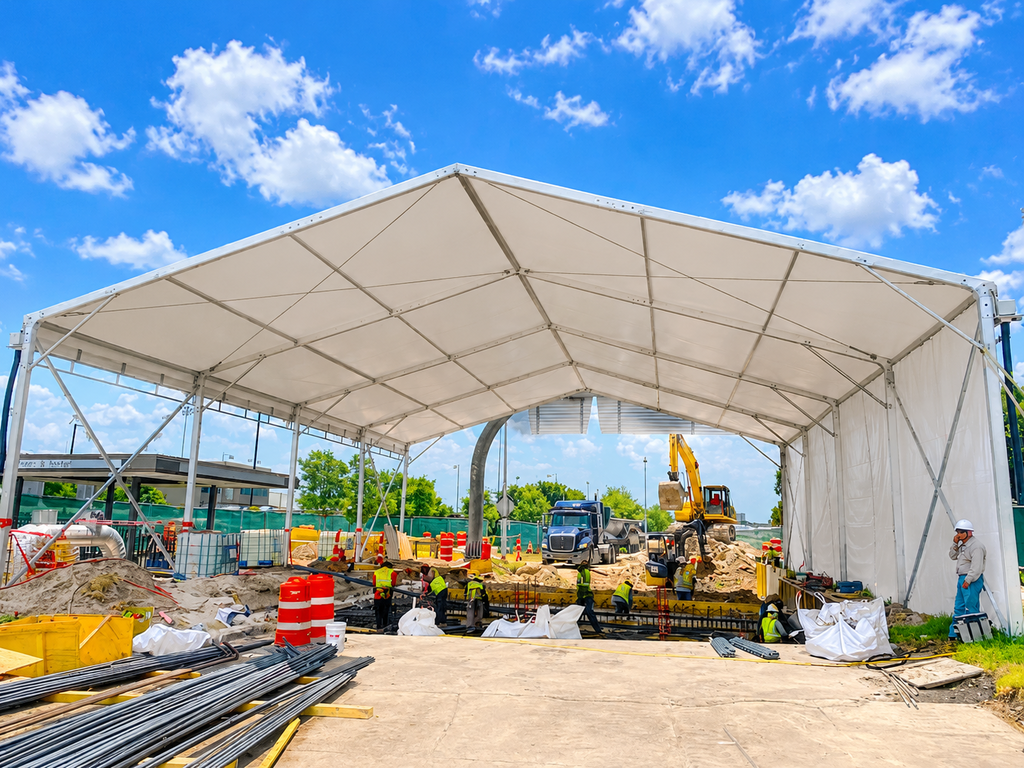
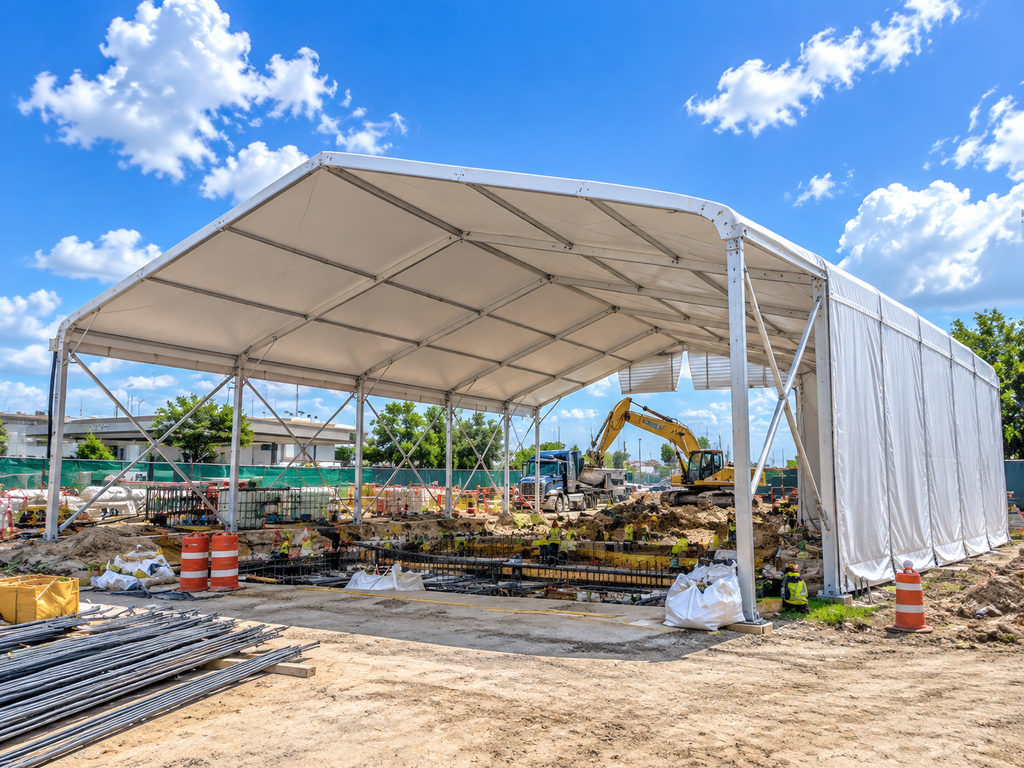
Temporary tents for construction serve as essential structures that provide versatile and protective environments for various construction activities. They are designed to withstand the rigors of outdoor conditions while offering a safe space for workers, equipment, and materials. Key concerns for B2B buyers in this sector often revolve around durability, compliance with safety regulations, and the ability to customize solutions to fit specific project needs. This article will explore wholesale options, specifications, common issues, applications, and sourcing tips for temporary tents specifically designed for construction.
What You Need to Know
Understanding the specifications of temporary tents is vital for ensuring that they meet the rigorous demands of construction sites. Key specifications include material strength, size, weather resistance, and safety features.
Material Strength: Most construction tents are made from robust polyethylene or vinyl materials, which offer durability and protection against the elements. The thickness of the fabric is often measured in millimeters; thicker materials provide better resistance to tearing and wear.
Size: The size of the tent should be determined based on the intended use. Considerations include the number of workers, equipment space, and any machinery that needs to be sheltered. It's advisable to choose a size that not only accommodates current needs but also allows for future expansion or increased activities.
Weather Resistance: Tents must be tested for wind and snow loads, especially in regions with harsh weather. Compliance with local building codes regarding wind ratings is essential, as inadequate resistance can lead to structural failures.
Safety Features: Fire safety certifications are crucial in construction environments. Tents should be made from fire-retardant materials and designed to minimize fire hazards.
By comparing these specifications, buyers can ensure that the temporary tents they select will provide the necessary protection and functionality for their construction projects.