EN

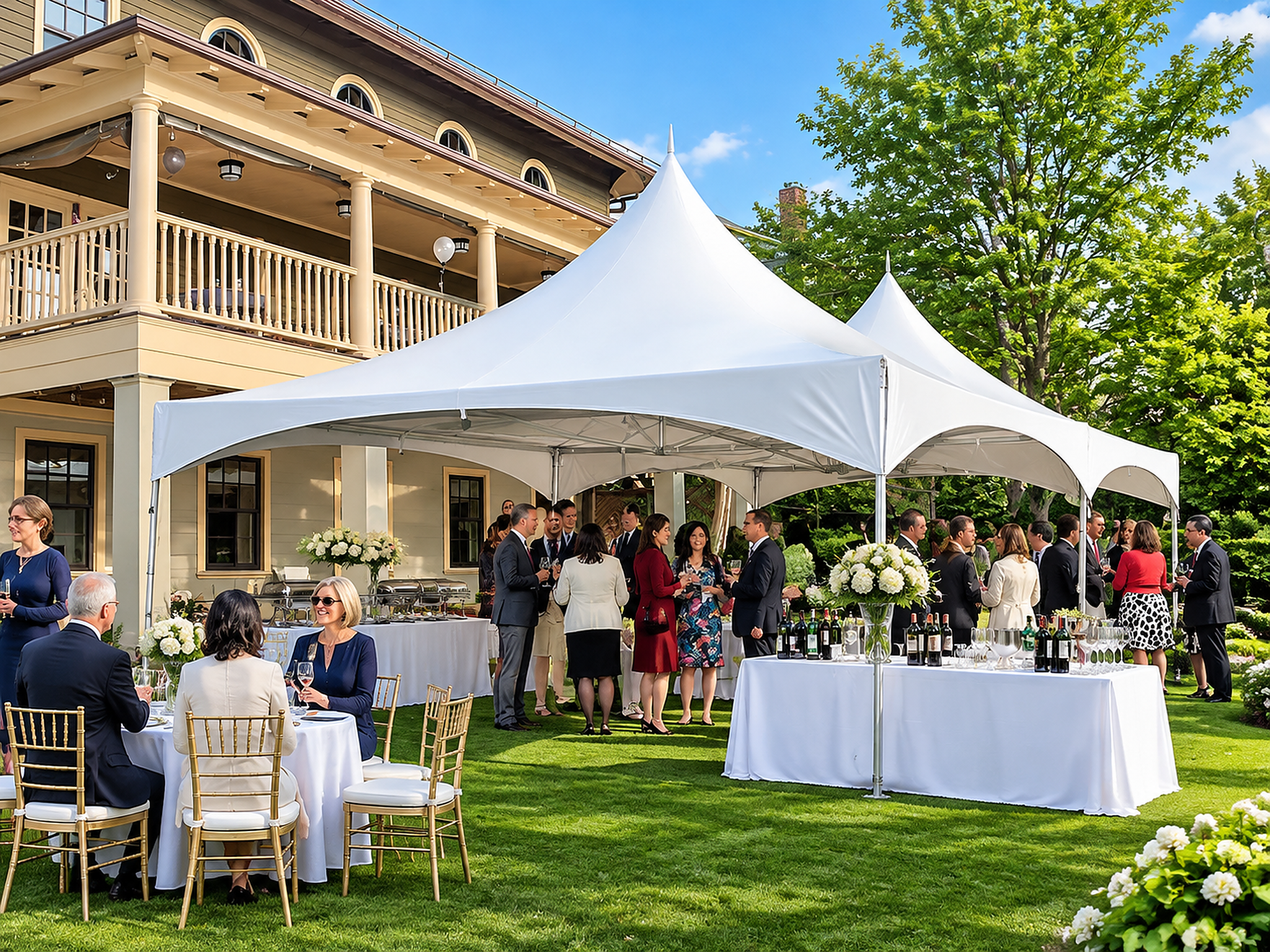
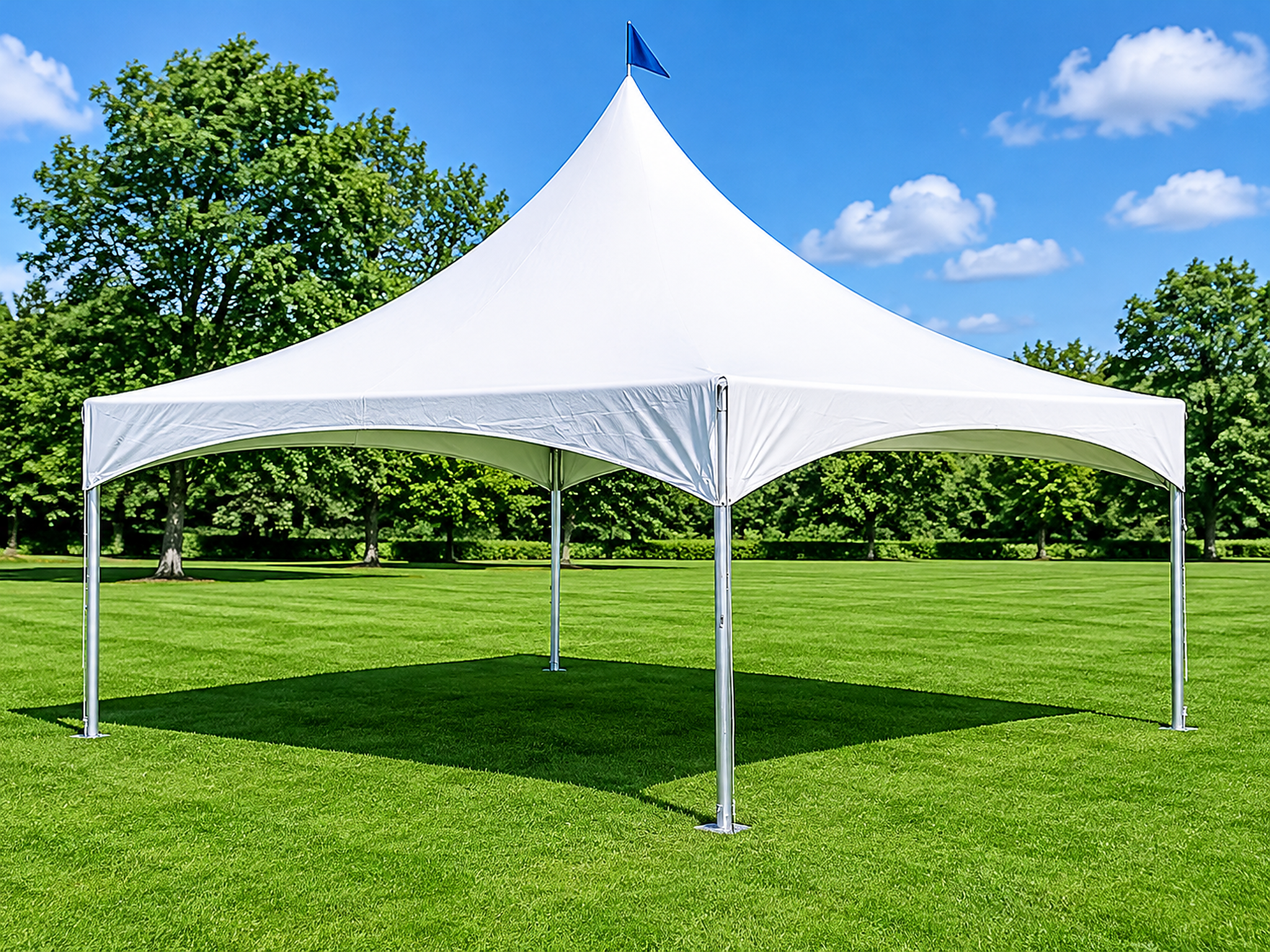
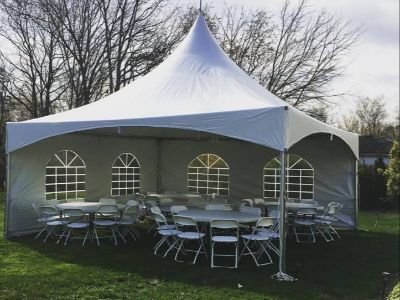
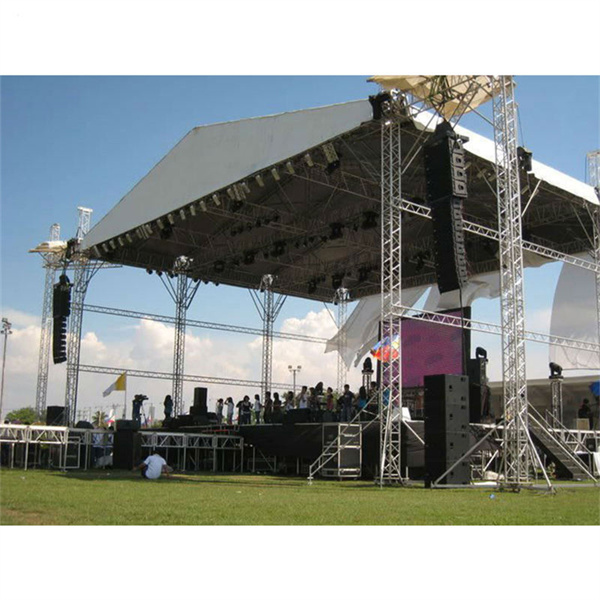
Pole marquees are versatile tents commonly used for various events, including weddings, sports, and corporate gatherings. As a B2B buyer, understanding the intricacies of purchasing pole marquees in bulk is crucial to ensure you meet safety standards, budget constraints, and specific application needs. This article will guide you through key factors to consider when evaluating and selecting pole marquees, from cost considerations to material advantages, helping you make informed purchasing decisions.
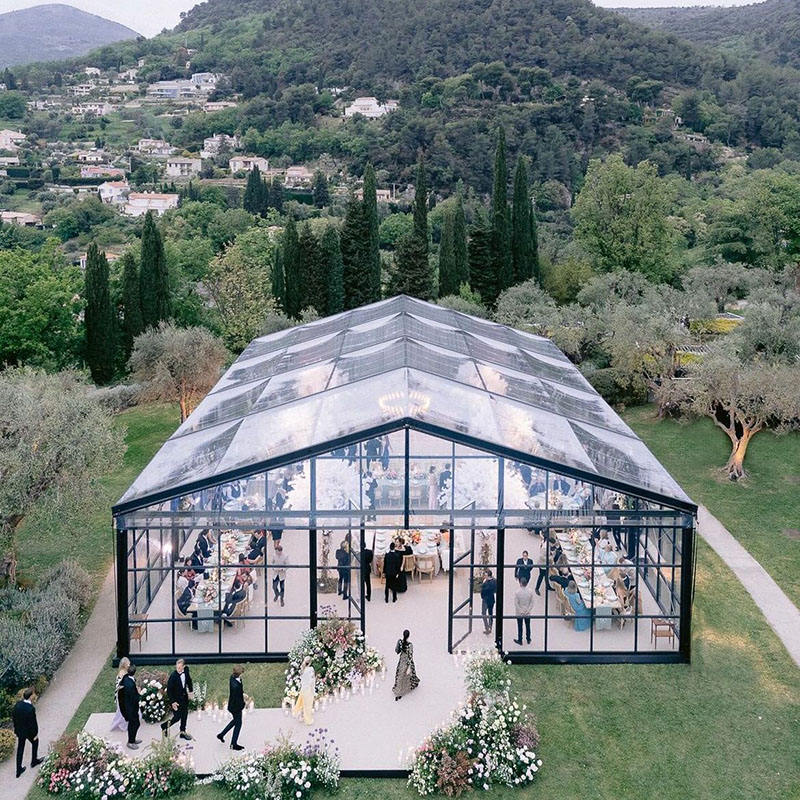
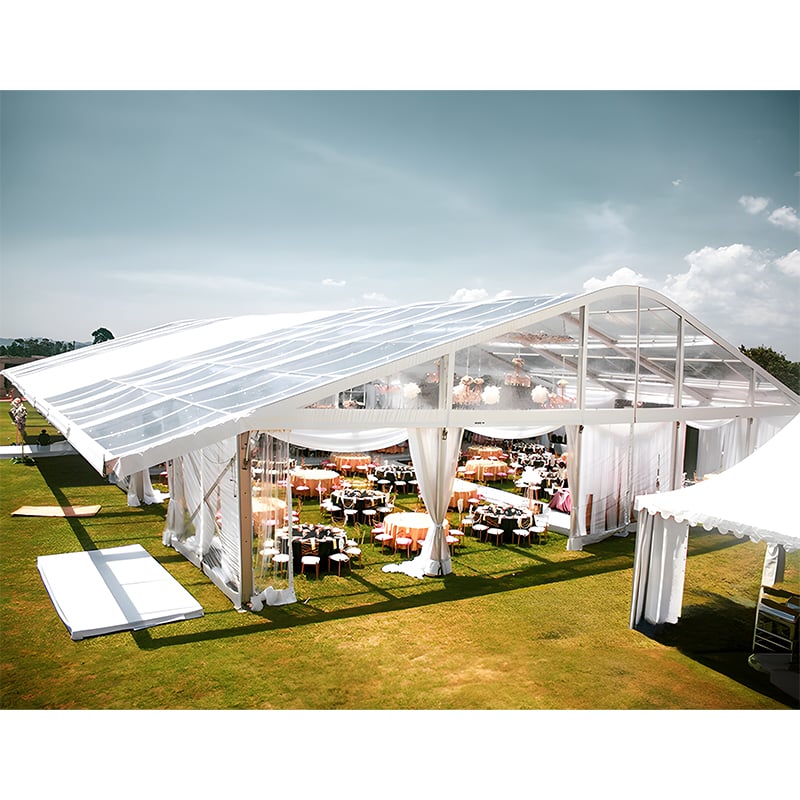
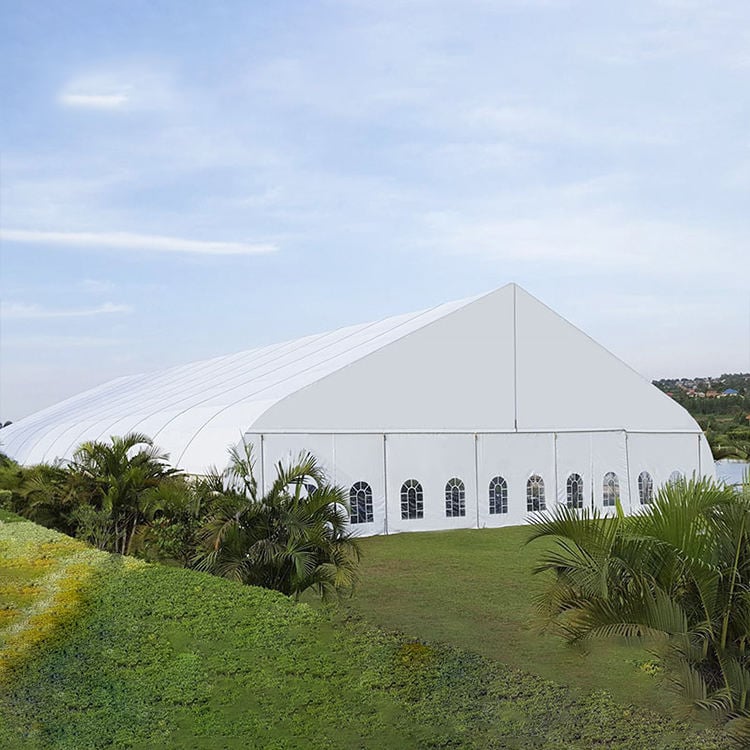
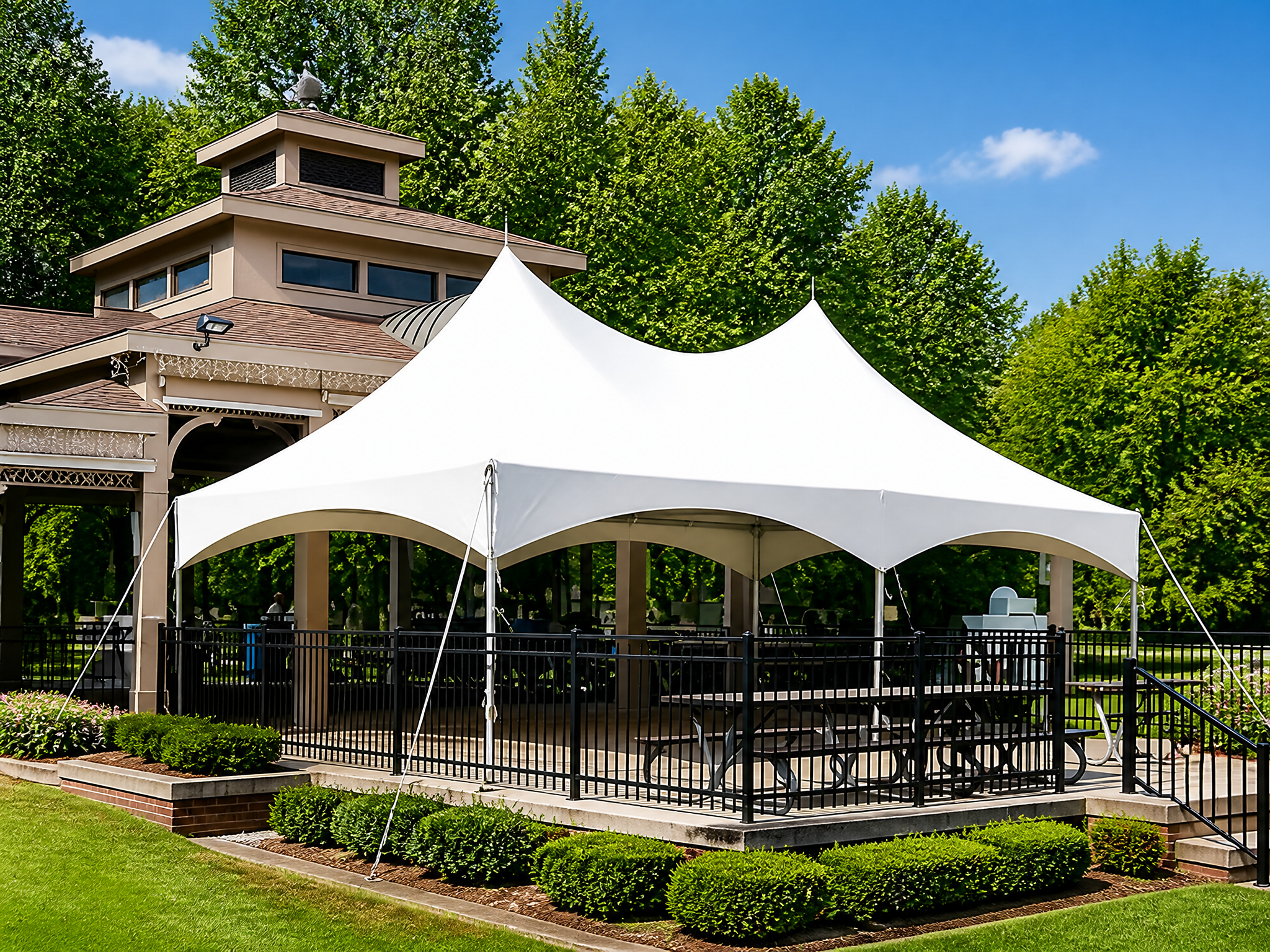
Comparing Material Advantages of Different Pole Marquees
The choice of material significantly impacts the performance and suitability of pole marquees for various events. Common materials include polyethylene, PVC, and canvas, each offering distinct advantages.
Polyethylene: This lightweight material is cost-effective and provides good waterproofing, making it suitable for short-term events. However, it may not withstand extreme weather conditions as well as other options.
PVC: Known for its durability and resistance to tearing, PVC is a preferred choice for long-term or high-usage applications. Its fire-retardant properties and ability to endure harsh weather make it ideal for events where safety and reliability are paramount.
Canvas: Though heavier and typically more expensive, canvas offers breathability and a classic aesthetic, making it popular for weddings and upscale events. It is also more environmentally friendly, as it can be made from natural fibers.
When evaluating materials, consider the specific conditions the pole marquee will face, such as wind load, snow accumulation, and fire safety standards, to ensure optimal performance.