EN

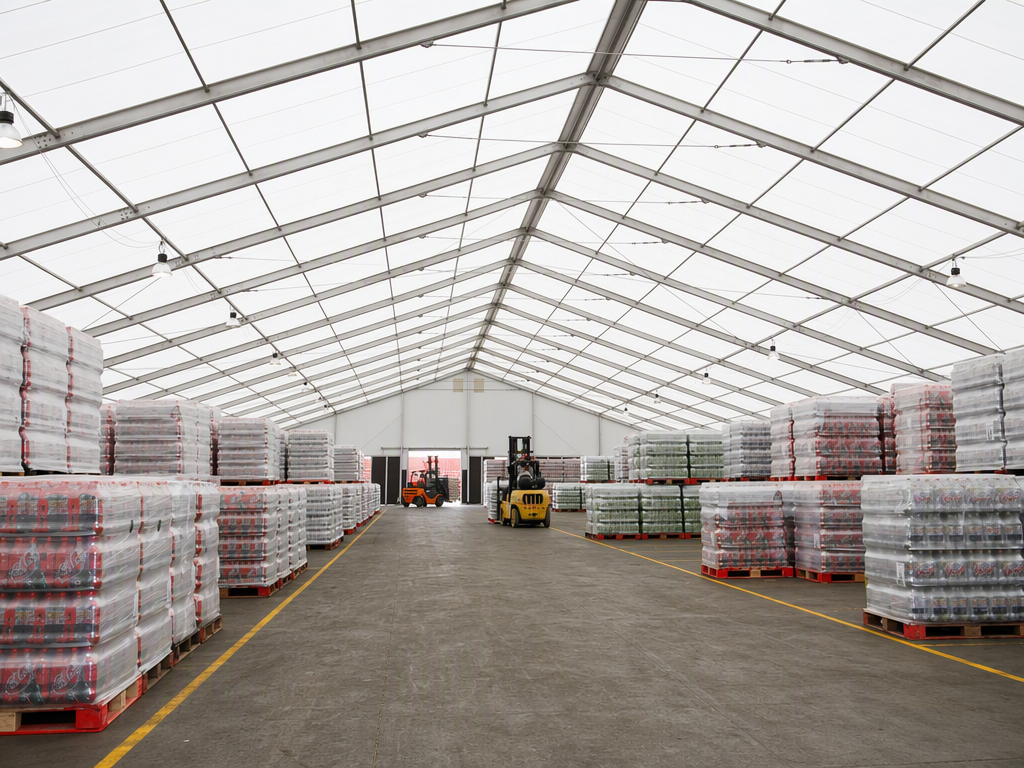
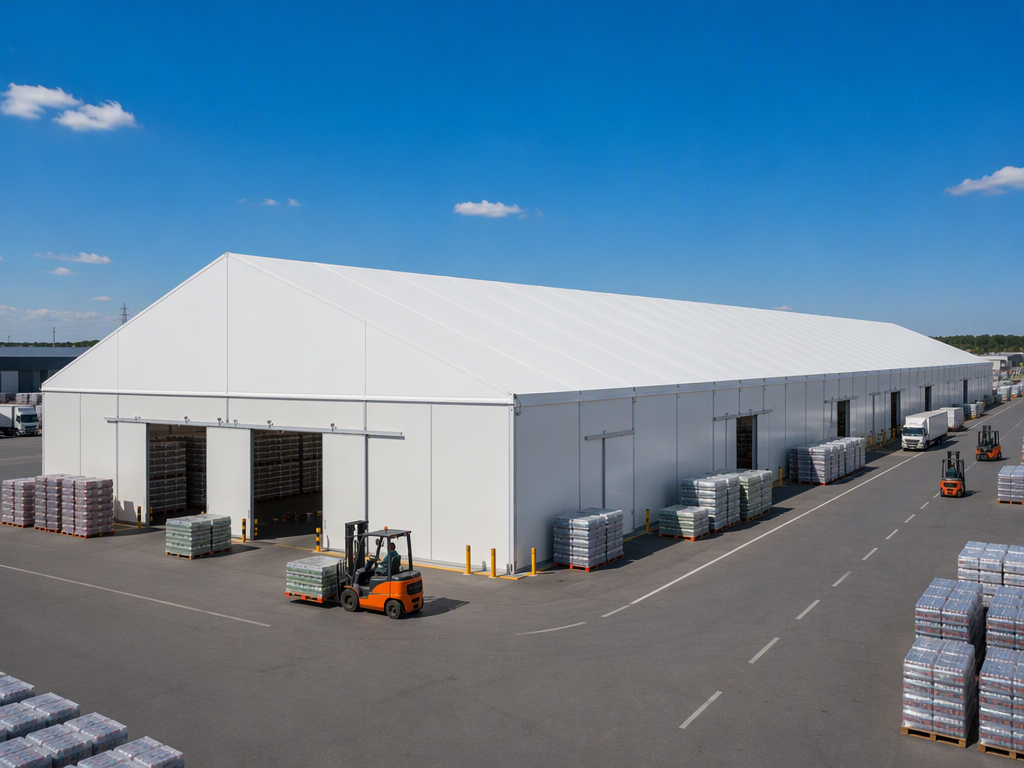
Industrial storage shelters are versatile, temporary structures designed to protect valuable equipment, materials, and inventory from environmental factors. As a B2B buyer, your primary concerns often revolve around durability, safety, and suitability for your specific operational needs. This article aims to guide you through selecting the right industrial storage shelter, key specifications to consider, finding reliable suppliers, addressing common issues, and exploring various applications across industries.
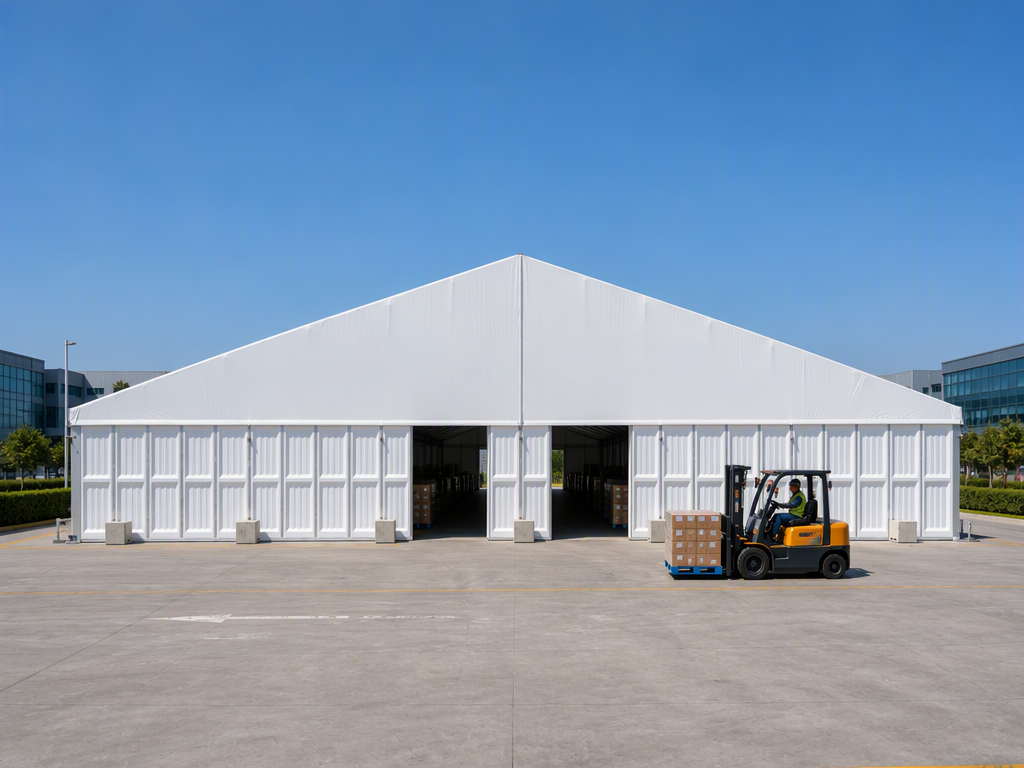
Key Specifications to Consider When Sourcing Storage Shelters
When sourcing industrial storage shelters, several key specifications warrant your attention. These include:
Material Composition: The choice of materials affects durability and protection levels. Common materials such as PVC, polyethylene, and galvanized steel offer varying degrees of weather resistance, fire safety, and structural integrity. Choose a material that aligns with your environmental conditions and storage requirements.
Dimensions and Load Capacity: Confirm that the dimensions meet your storage needs and that the shelter can support the weight of the items stored. The load capacity should be specified by the manufacturer and should account for both static and dynamic loads.
Wind and Snow Load Ratings: Ensure that the shelter meets local building codes regarding wind and snow loads. This is particularly important in regions prone to severe weather, where inadequate ratings can lead to structural failure.
Fire Safety Standards: Verify that the materials used comply with applicable fire safety standards. Some shelters can be treated to improve their fire resistance.
Ease of Assembly and Disassembly: Depending on your needs, you may require a shelter that can be easily assembled and disassembled. Look for designs that facilitate quick setup without compromising structural integrity.
By prioritizing these specifications, you can source a storage shelter that meets both your operational and safety requirements.