EN

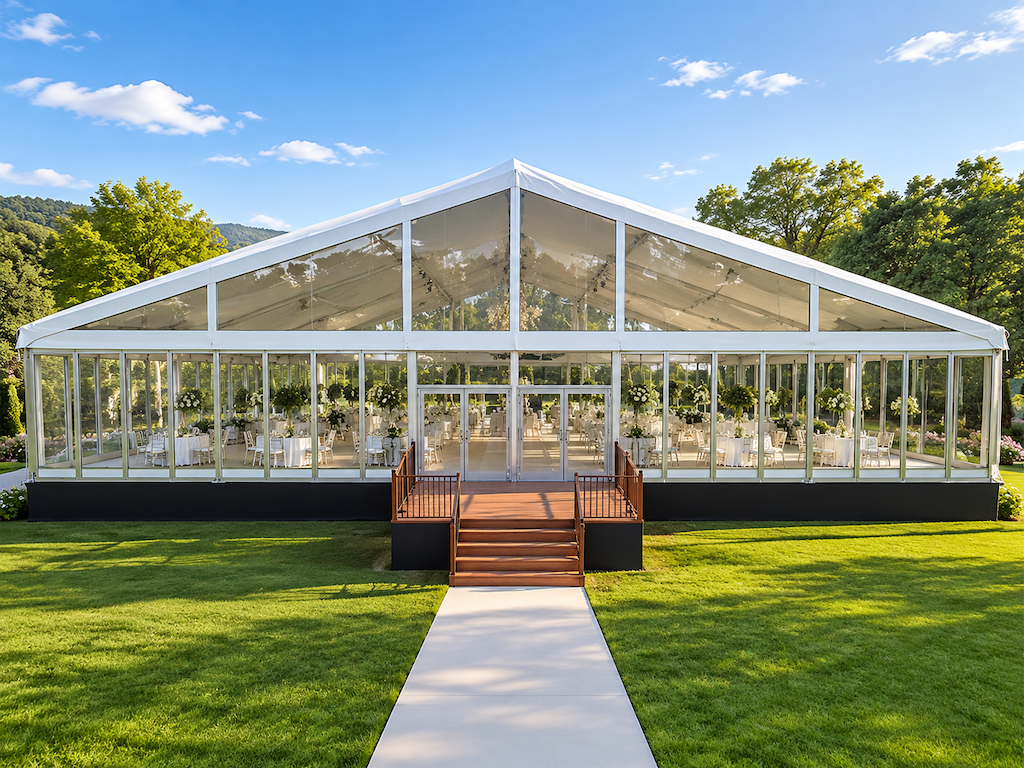
Understanding the intricacies of glass roof tents is essential for buyers in the B2B sector seeking high-quality, durable solutions for events and installations. These innovative structures not only enhance aesthetic appeal but also provide protection against the elements, making them a popular choice for various applications, including weddings, corporate events, and outdoor gatherings. This article will address key concerns for purchasing managers and distributors, such as material selection, common issues, and features to look for, helping you make an informed decision when selecting a glass roof tent for your next project.
Common Problems with Glass Roof Tents and Their Solutions
While glass roof tents are designed for durability, certain issues can arise during use. One common problem is condensation, which can occur in humid conditions. To mitigate this, consider tents with integrated ventilation systems or humidity-resistant materials that allow for airflow while preventing moisture buildup.
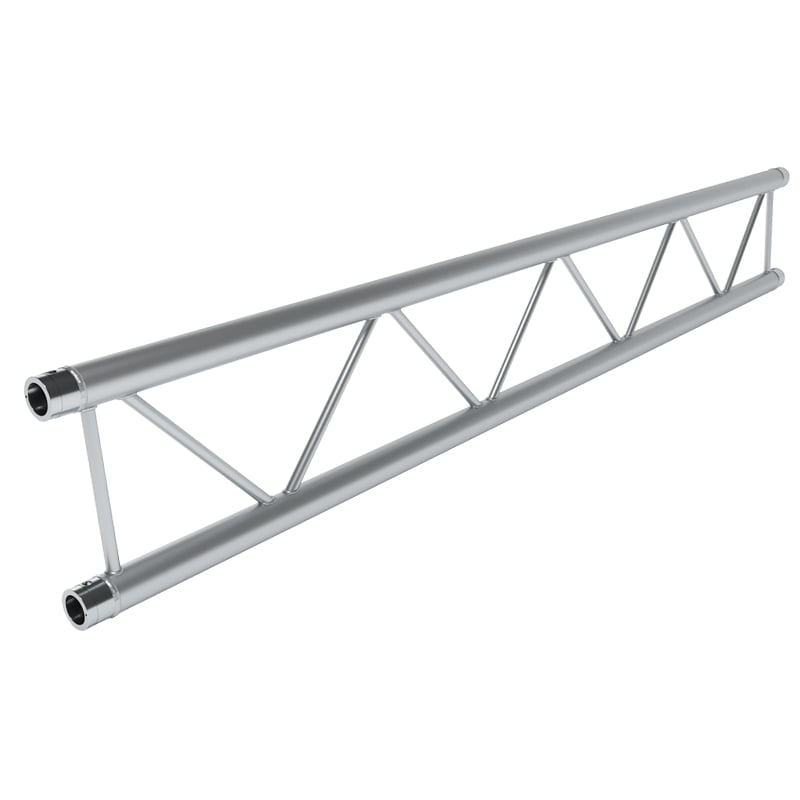
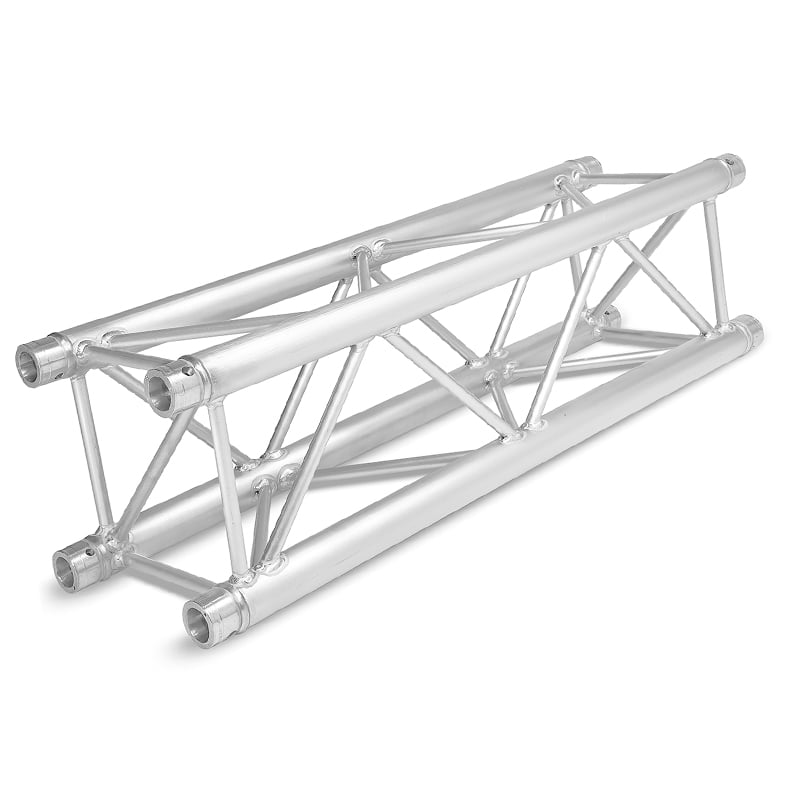
Another frequent concern is structural integrity in extreme weather. Buyers should ensure that the tent's framework is made from robust materials, such as galvanized steel or aluminum, which provide strength without adding excessive weight. It’s also important to verify that all joints and connections are secure and designed for quick assembly and disassembly.
Lastly, improper installation can lead to leaks or instability. Engaging experienced contractors familiar with tent assembly can help avoid these pitfalls. They can ensure that the tent is anchored correctly and that all components are aligned, providing a safe and reliable structure for your event.