EN

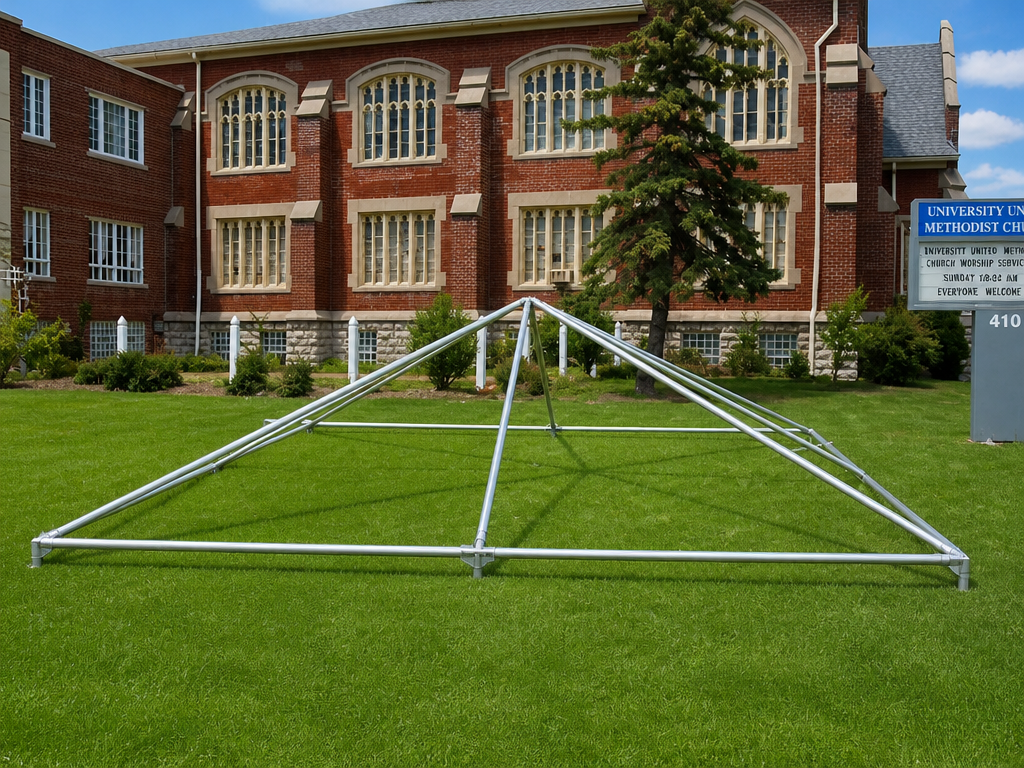
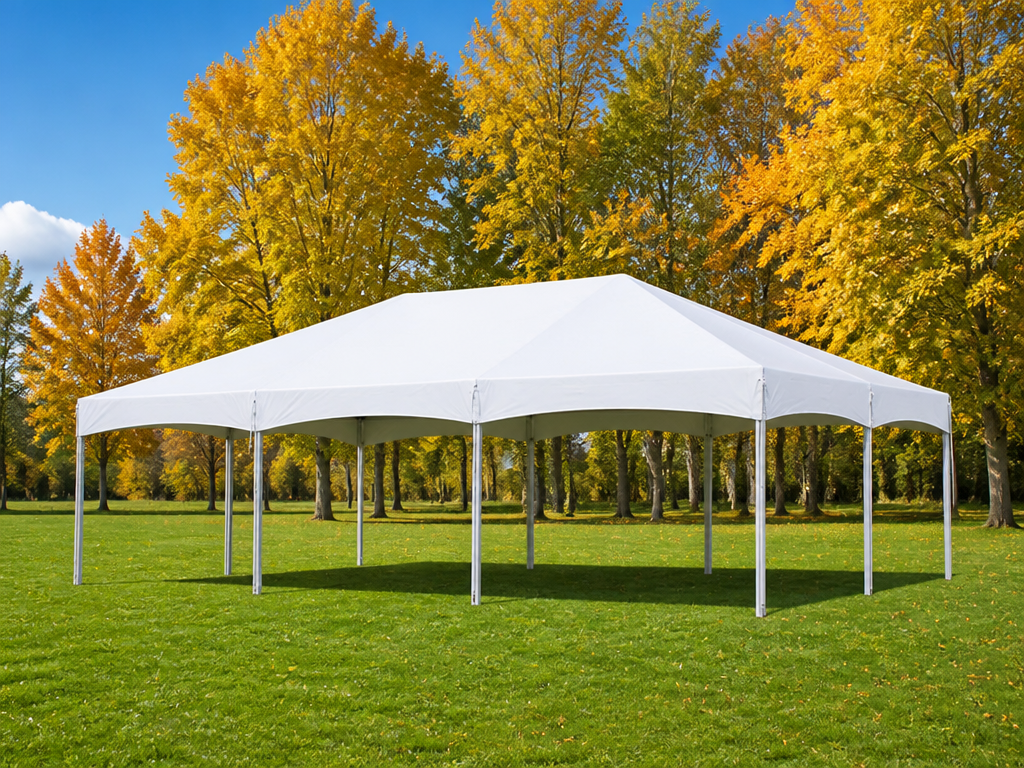
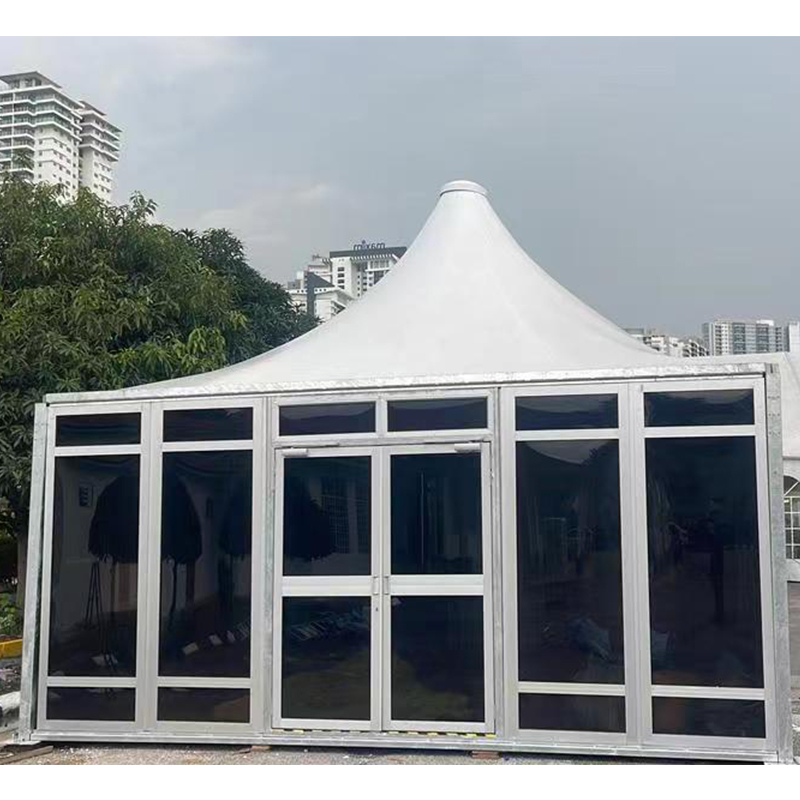
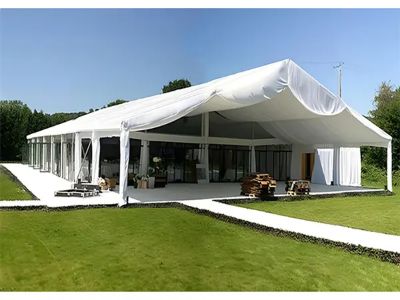
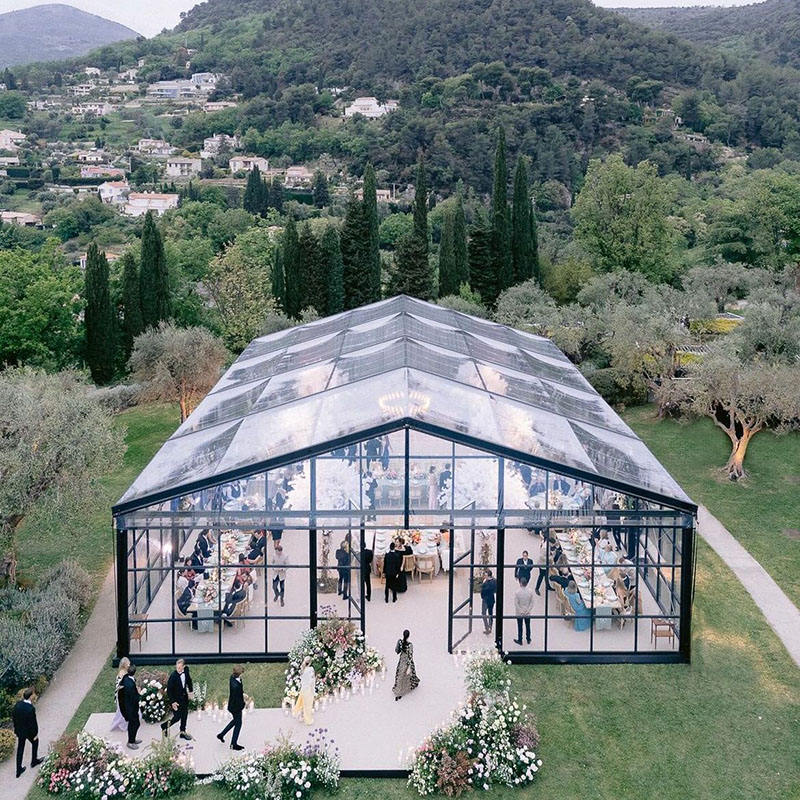
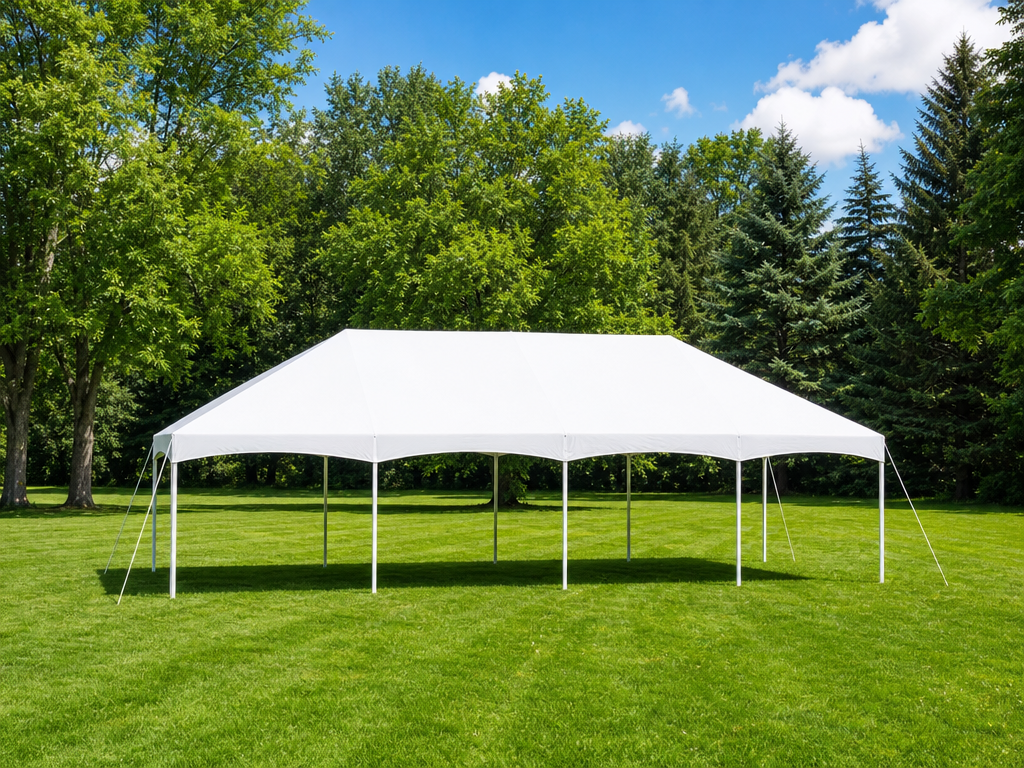
Galvanized tent frames are essential components for various applications, especially in the sports, wedding, and event sectors. These frames provide the necessary support for tent structures, ensuring they remain stable and secure under various weather conditions. B2B buyers, including purchasing managers, distributors, and event planners, often prioritize durability, cost, and ease of installation when sourcing these products. This article will guide you through key considerations for sourcing galvanized tent frames, including specifications, cost factors, installation guidance, and solutions to common problems.
Key Specifications to Evaluate in Galvanized Tent Frames
When evaluating galvanized tent frames, several key specifications should be considered to ensure they meet your application needs:
Material and Coating: Galvanized steel is commonly used for its corrosion resistance and strength. Understanding the type of galvanization (hot-dip vs. electro-galvanized) is vital, as it affects durability in different weather conditions.
Load Capacity: Each frame should have a specified load capacity, which indicates how much weight it can support. This is particularly important for event tents that may experience variable loads from wind, snow, or decorations.
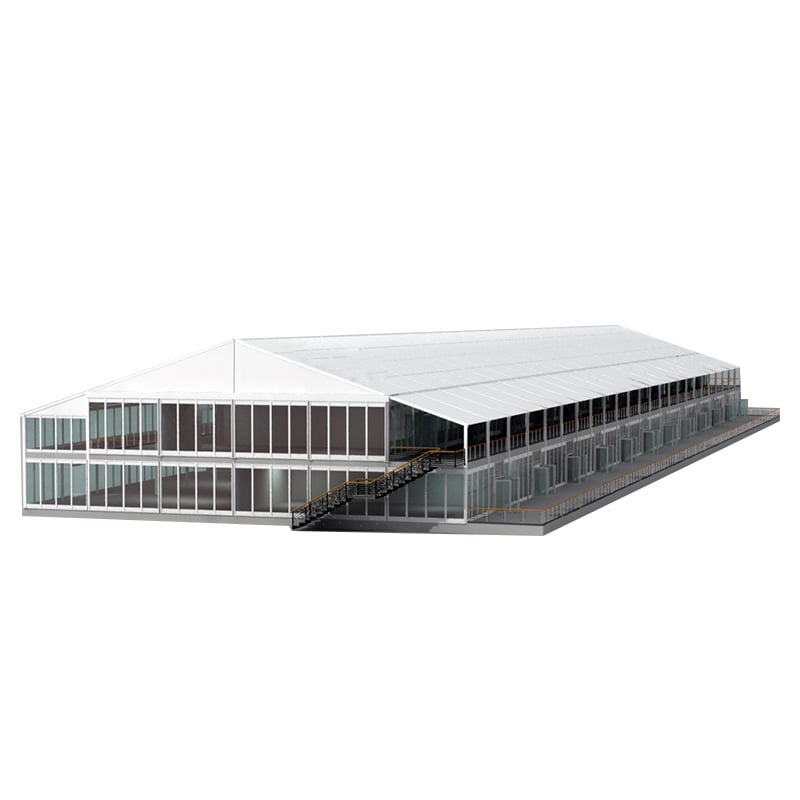
Dimensions: The size and dimensions of the tent frame should be determined based on the intended use. Buyers should specify the width, height, and overall footprint to ensure compatibility with the intended tent structure.
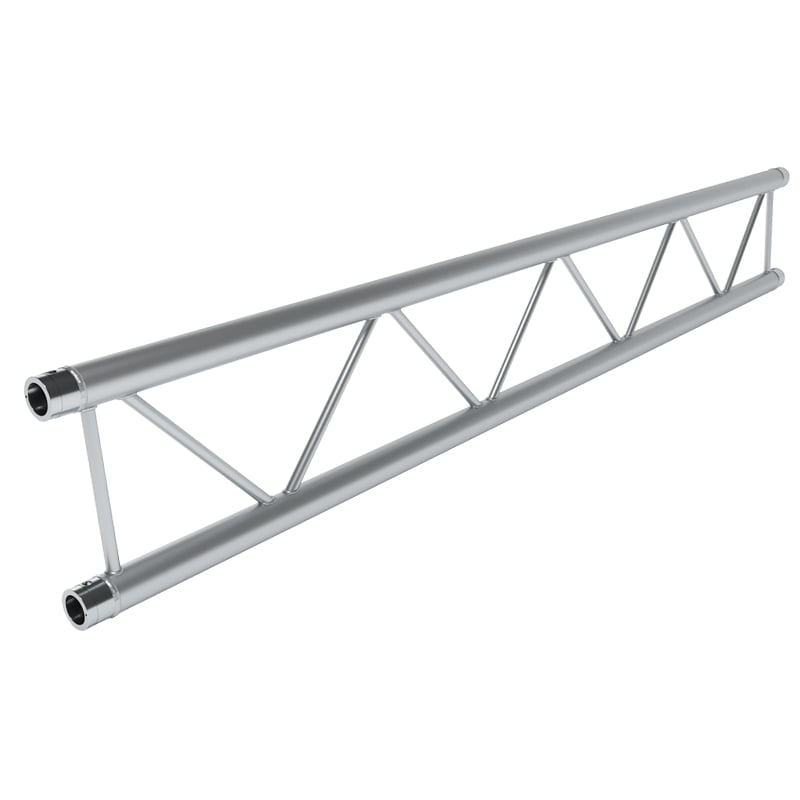
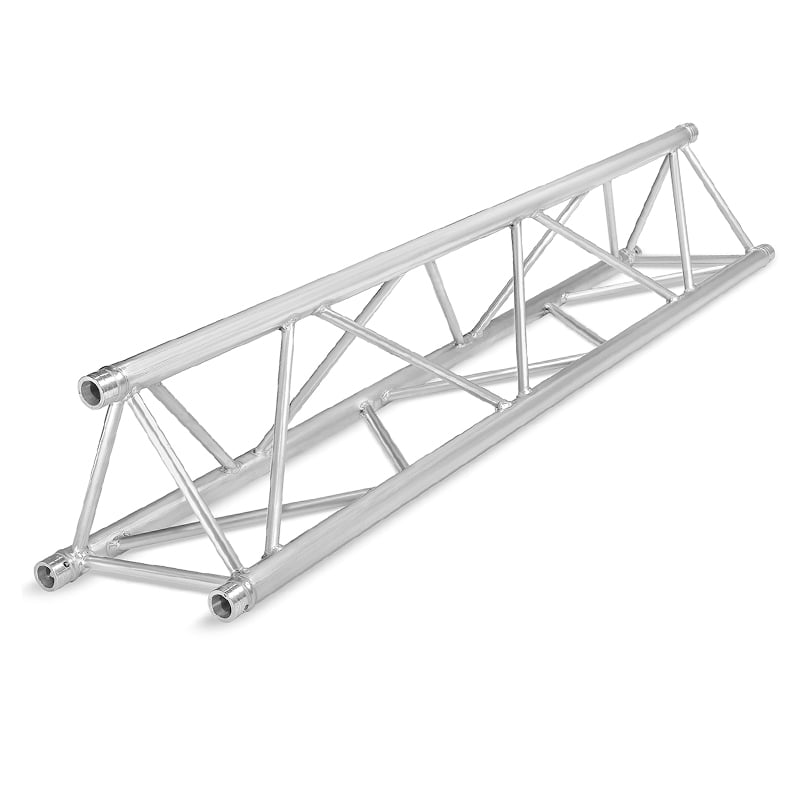
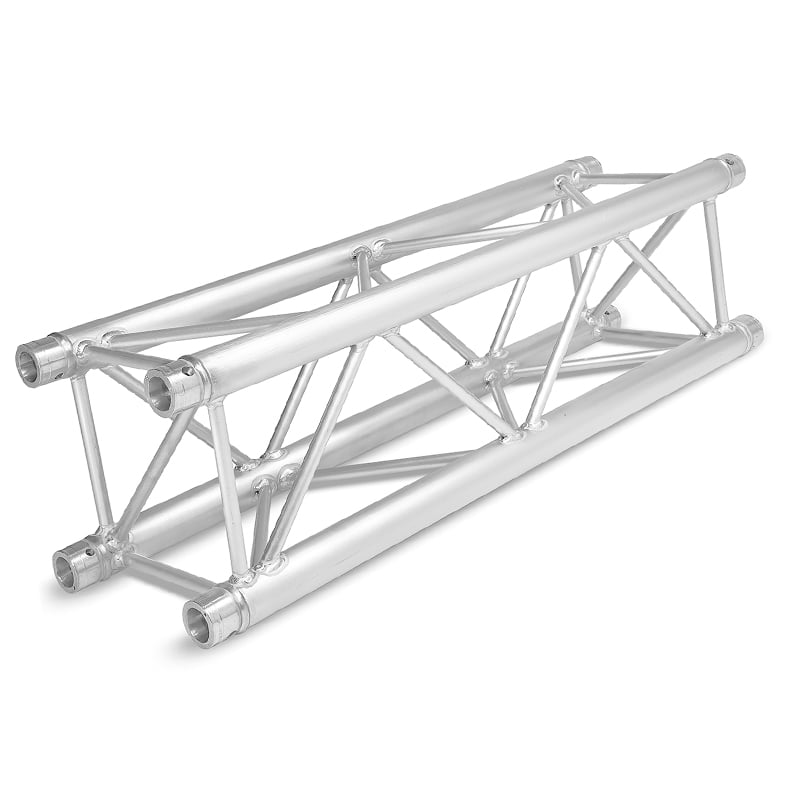
Connection Points: Evaluate the design and strength of the connection points in the frame, as these are critical for stability and ease of assembly. High-quality frames will feature reinforced joints that can withstand stress.
Assembly Method: Consider how the frame assembles and disassembles. Frames that utilize a snap or pin system can be more user-friendly and quicker to set up.
Buyers should confirm these specifications with the manufacturer to ensure the frames are suitable for their specific applications.