EN

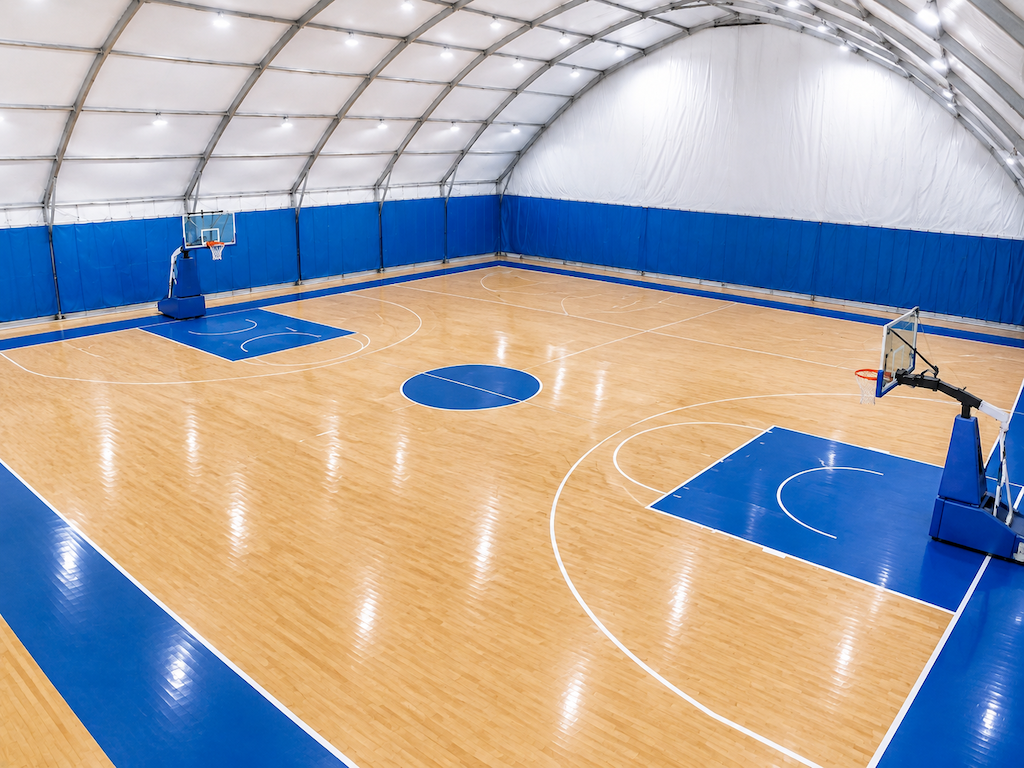
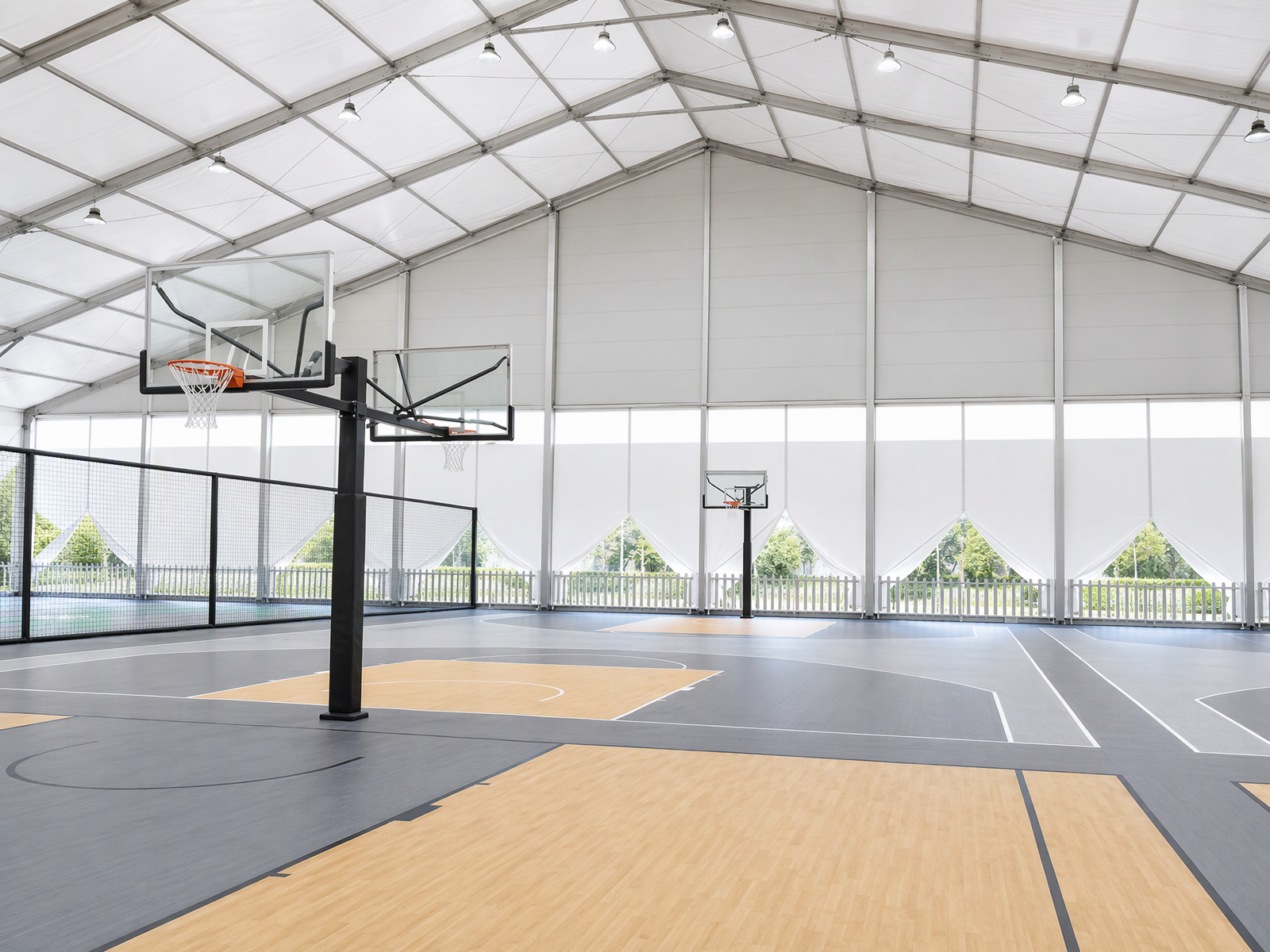
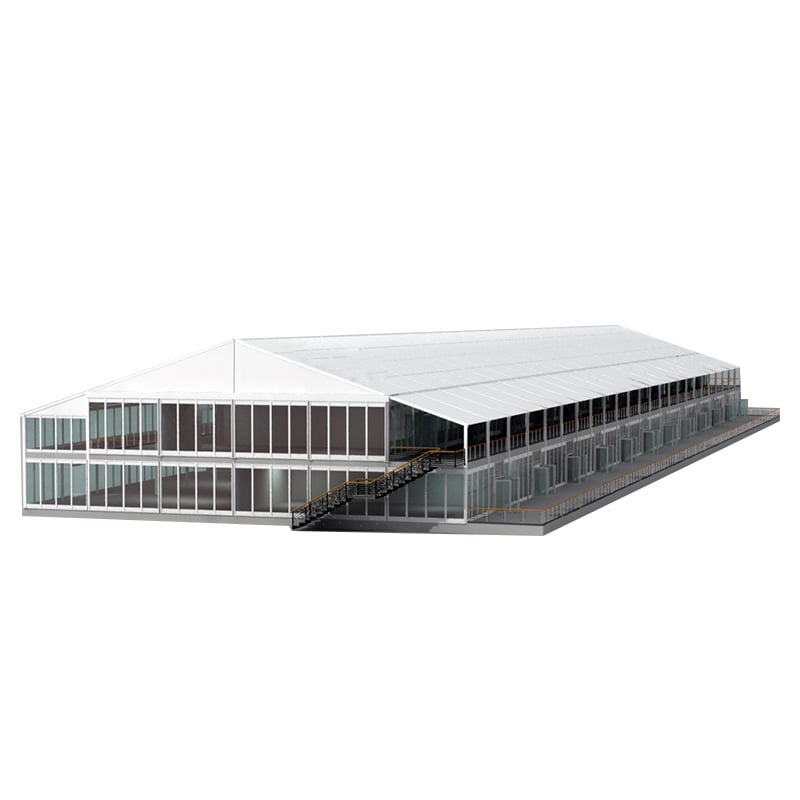
Covered basketball facilities offer a versatile solution for sports programs looking to extend their seasons, enhance training opportunities, and provide a safe environment for athletes. These structures, often designed as temporary or semi-permanent installations, can protect players from adverse weather while maintaining a professional-level court experience. As a purchasing manager or facility planner, understanding the critical aspects of covered basketball options is essential to making informed decisions that ensure durability, safety, and functionality. This article will guide you through the key considerations, installation guidance, common challenges, bulk ordering tips, and how to find reputable manufacturers for covered basketball solutions.
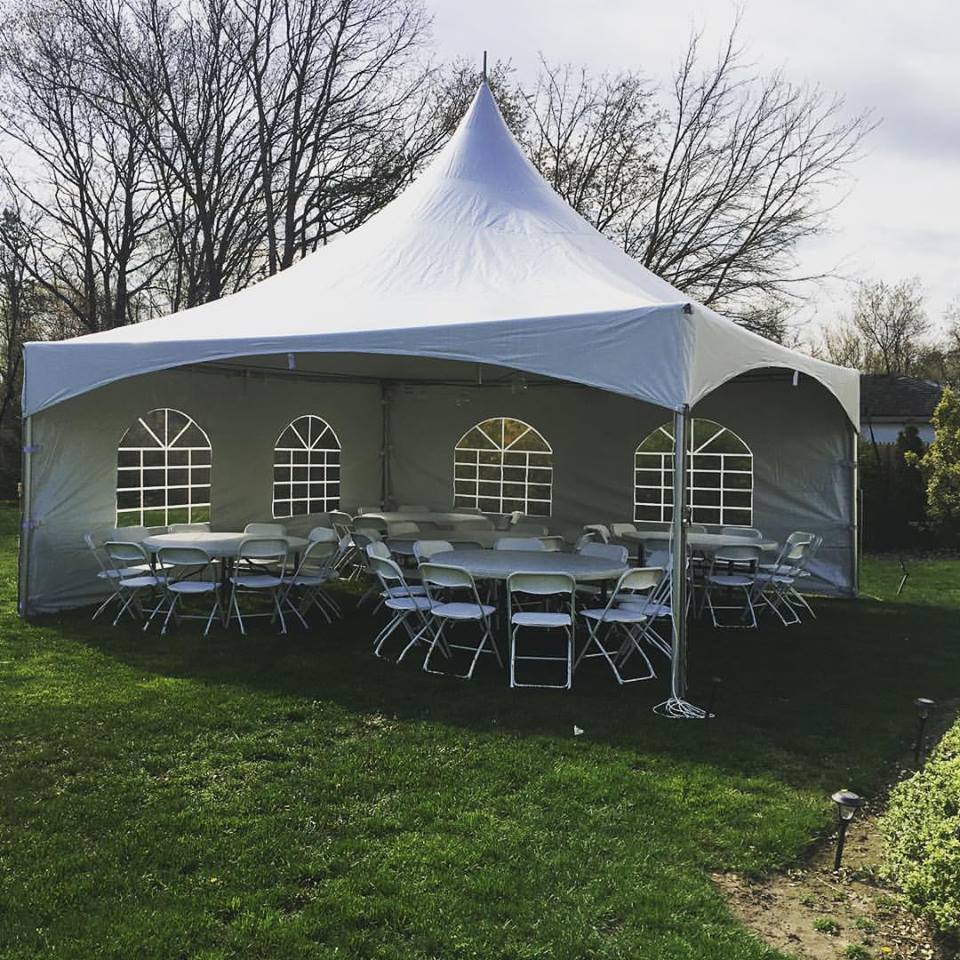
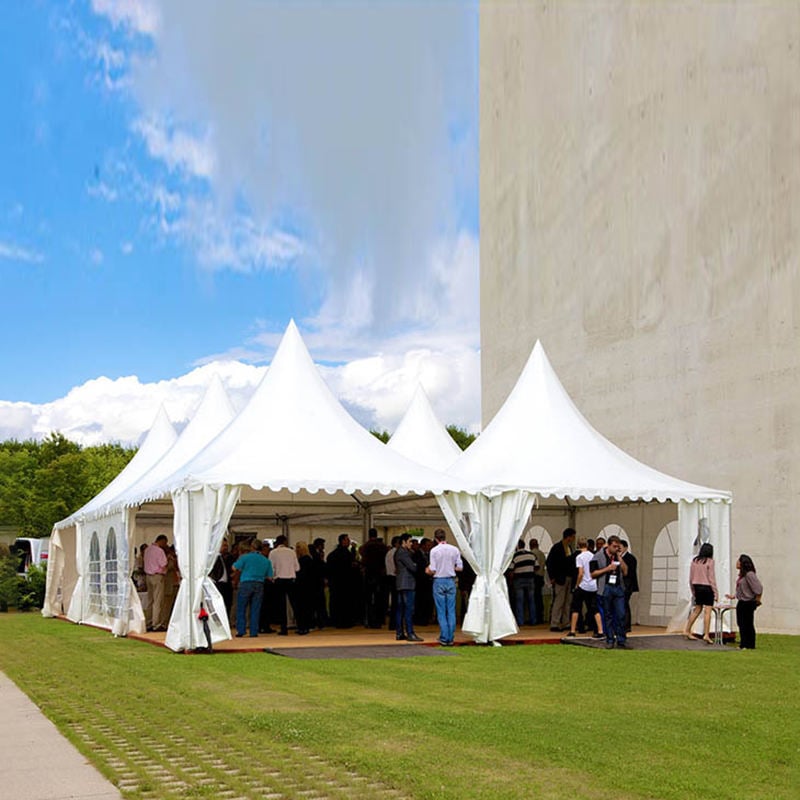
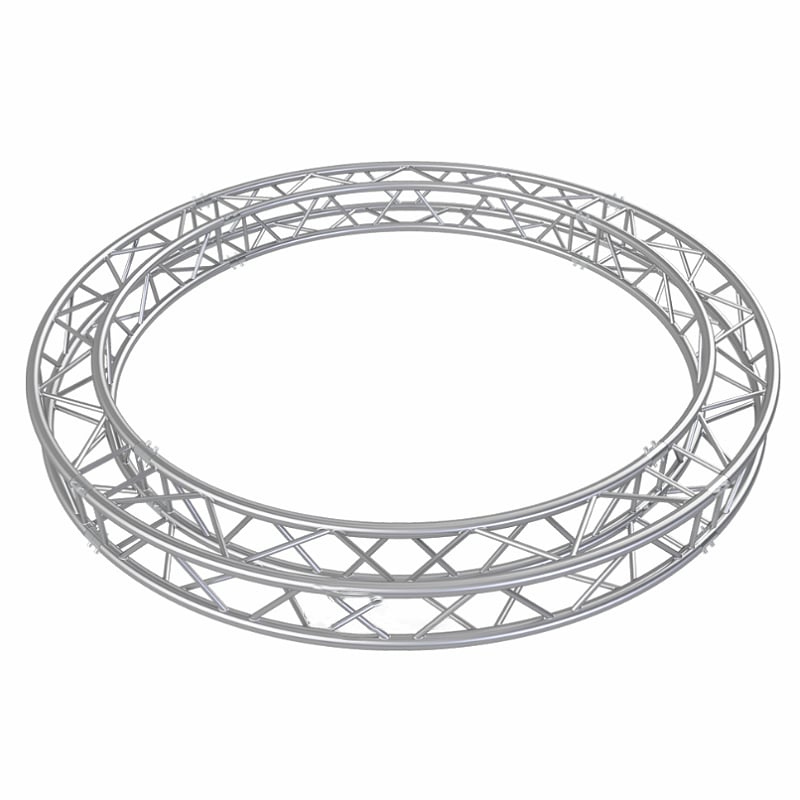
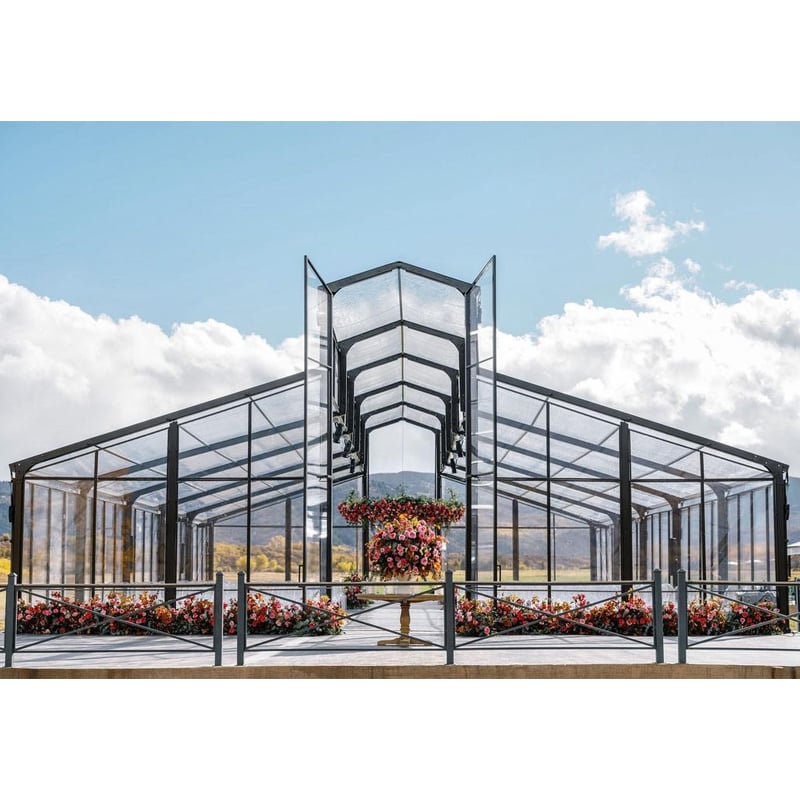
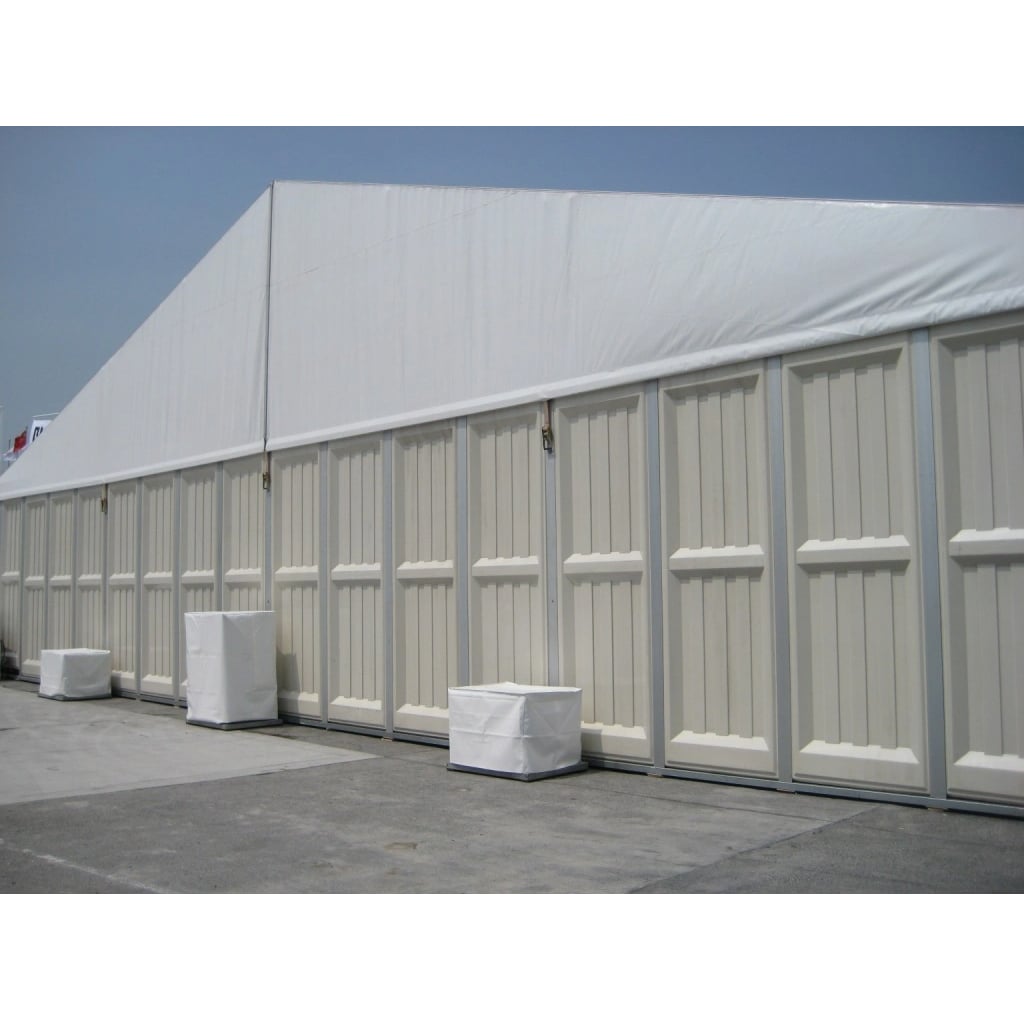
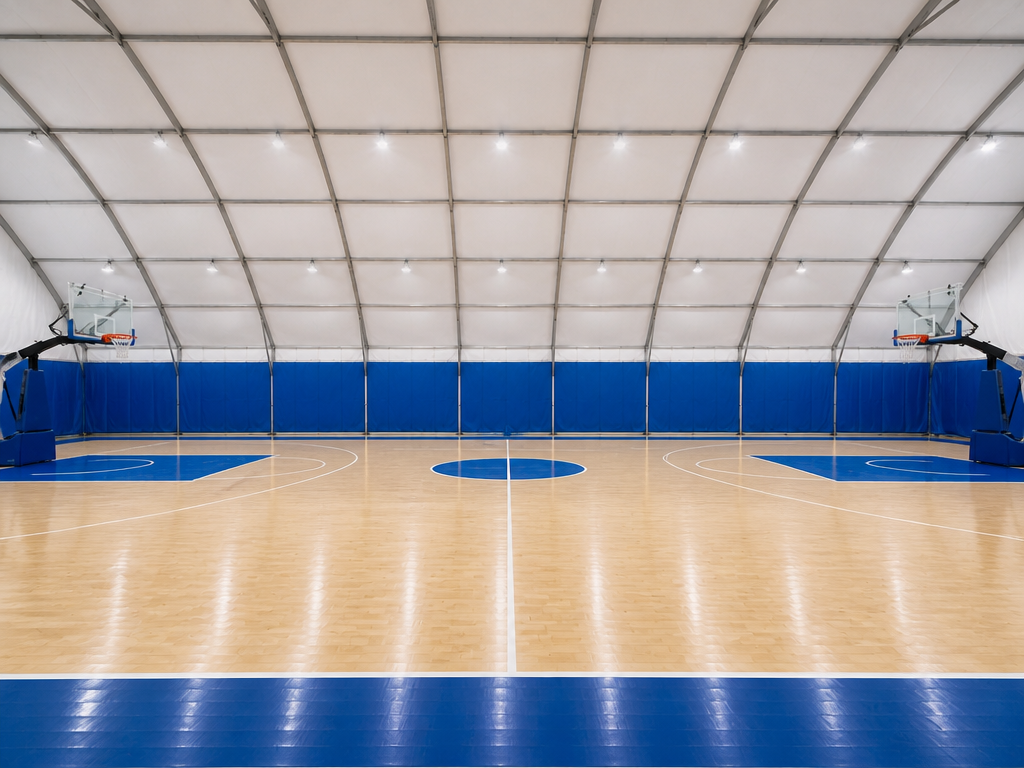
Installation Guidance for Your Covered Basketball Facility
Installing a covered basketball facility involves several critical steps to ensure that the structure is safe and functional.
Site Preparation: Begin with a thorough site assessment to determine the best location for the structure. Factors such as ground levelness, drainage, and accessibility for construction vehicles should be evaluated.
Foundation Requirements: Depending on the size and type of covered basketball tent, a foundation may be required. This can include concrete footings or ballast systems that provide stability. Consult the manufacturer for specific foundation guidelines based on the selected structure's specifications.
Assembly Instructions: Follow the manufacturer’s assembly instructions closely. Ensure that all components, including poles, connectors, and fabric, are inspected prior to installation. This helps to identify any potential issues early on.
Safety Considerations: During installation, safety should be a priority. Ensure that the installation team is equipped with proper safety gear and follows safety protocols to prevent accidents.
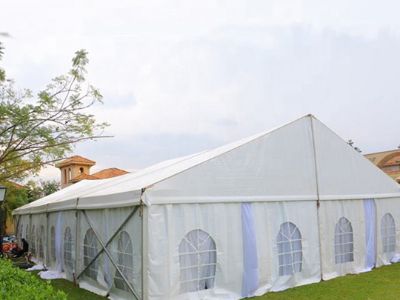
Post-Installation Inspection: Once the tent is erected, conduct a thorough inspection to ensure all components are secure and functional. This includes checking seals, tensioning fabric, and ensuring that all safety features are in place.