EN

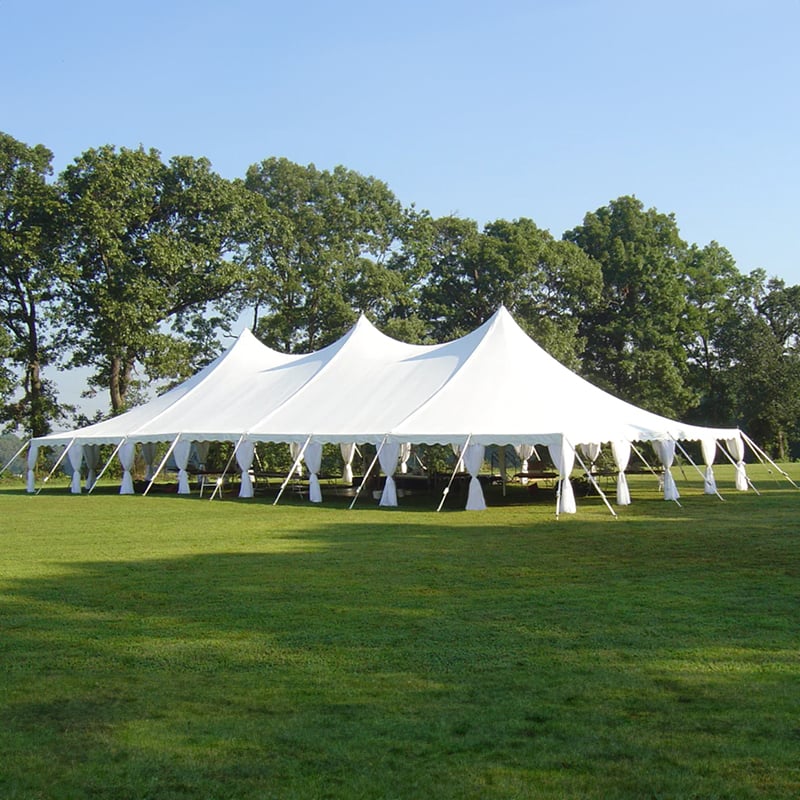
When sourcing a commercial pole tent, it’s essential to understand the various specifications and features that influence performance, durability, and safety. A commercial Yiqian tent pole tent is a versatile solution for events ranging from weddings to corporate gatherings, requiring careful consideration of aspects such as material quality, design specifications, and manufacturing standards. This article will guide you through key specifications, quality evaluation, purchasing considerations, and applications specific to commercial pole tents, helping B2B buyers make informed decisions.
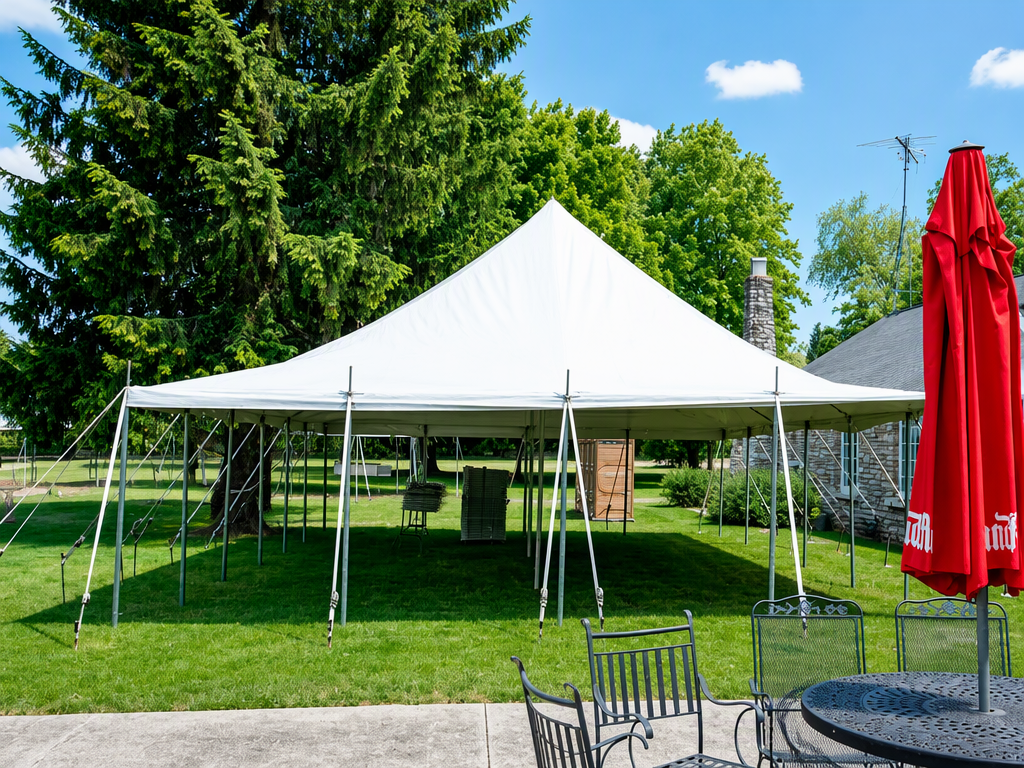
Finding Reliable Suppliers for Pole Tents
Evaluating the quality of materials used in commercial pole tents is a vital step in the sourcing process. Here are key factors to assess:
Fabric Thickness: Thicker fabrics generally provide better durability and resistance to tearing of commercial pole tent. Assess the denier of the fabric; for instance, a higher denier indicates a stronger material, making it more suitable for long-term use.
Waterproofing: Conduct tests or request certifications that confirm the material’s waterproof capabilities. Commercial pole tent that can withstand heavy rain without leaking is crucial for outdoor events.
Seam Construction: Inspect the seam construction for quality. Double-stitched seams with heat-sealed edges typically offer better resistance to water ingress and increase the tent's lifespan. Poor seam quality can lead to premature wear and tear.
UV Resistance: Check for UV protection ratings. Tents exposed to sunlight can degrade quickly, so materials with UV inhibitors will extend the tent’s operational life.
Manufacturer’s Testing: Inquire about any testing processes the manufacturer undertakes for their materials. Understanding the quality control measures of commercial pole tent can provide insight into the reliability of the product.