EN

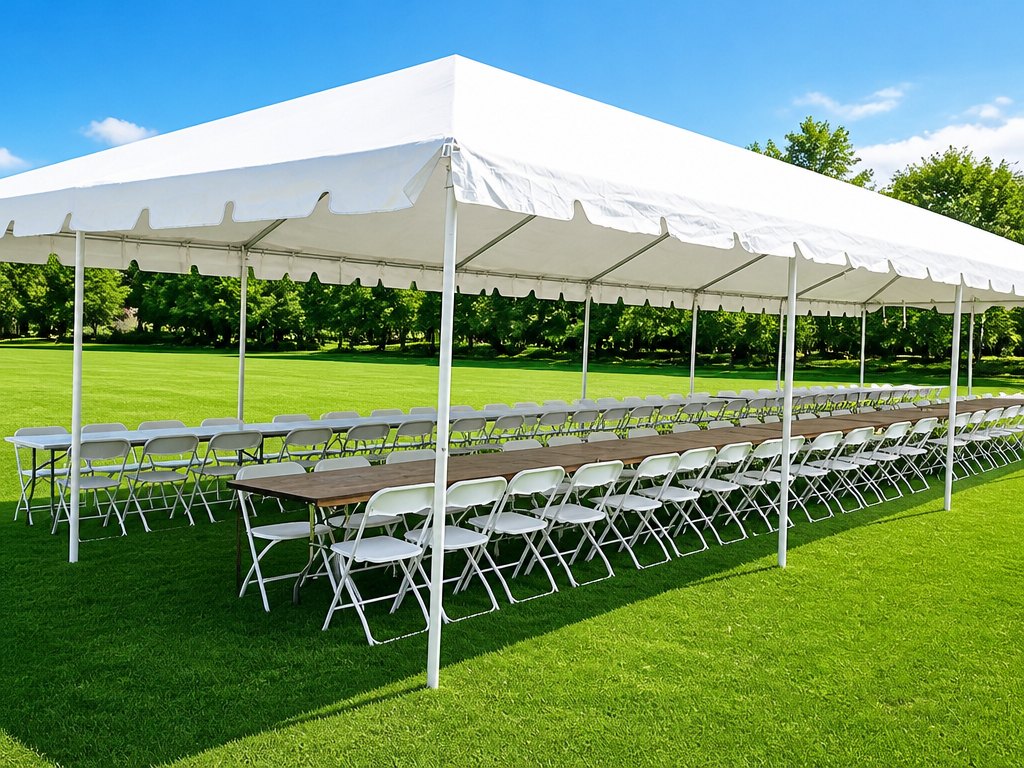
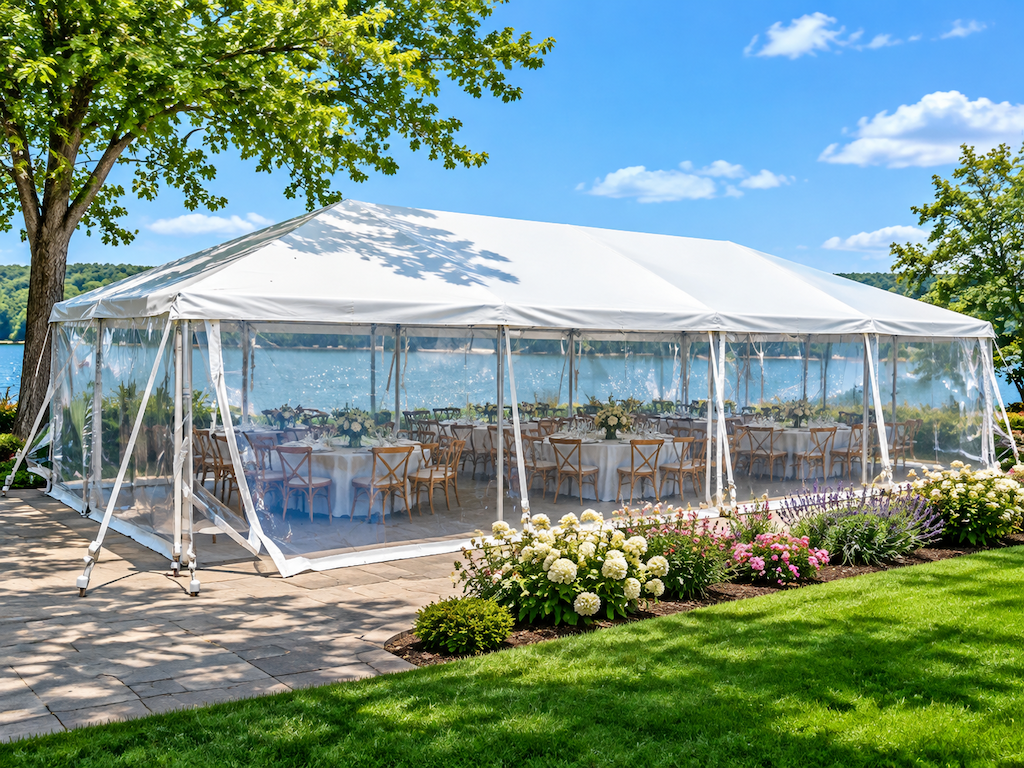
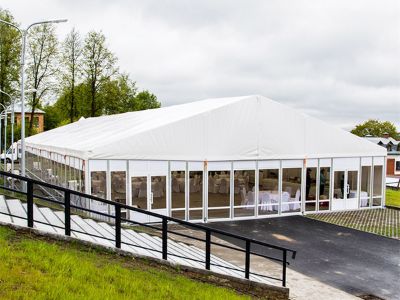
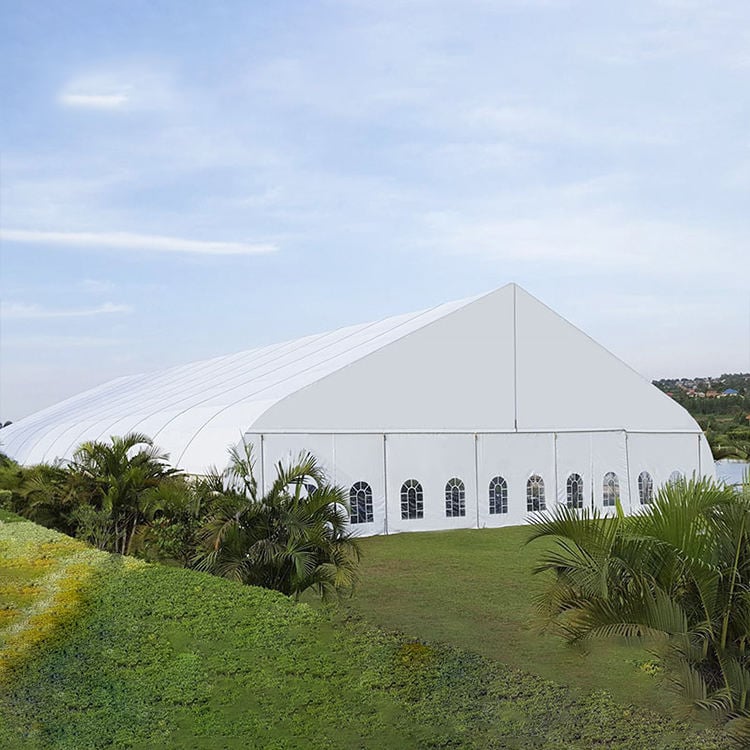
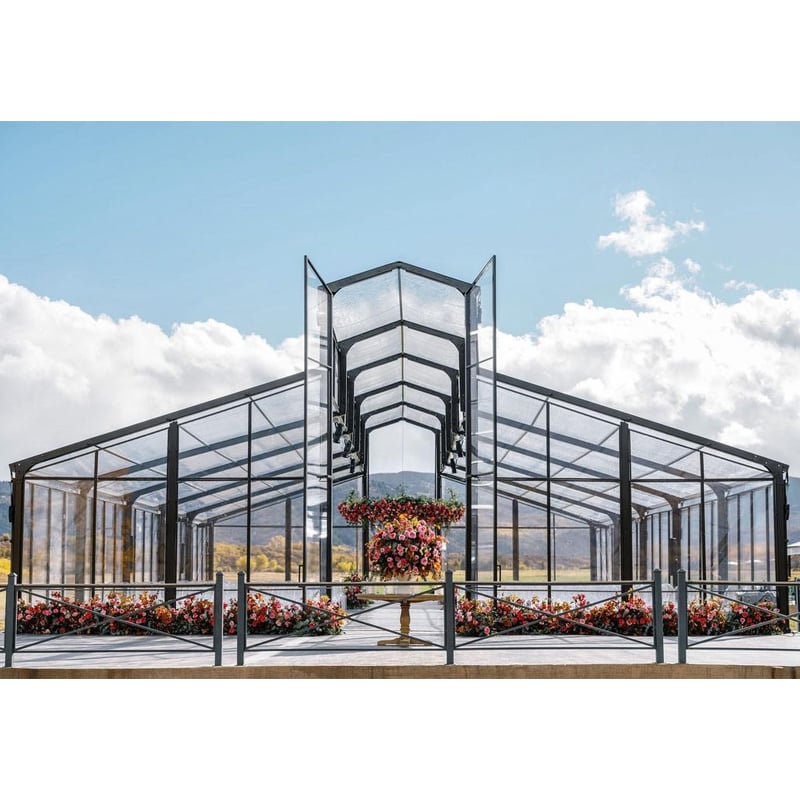
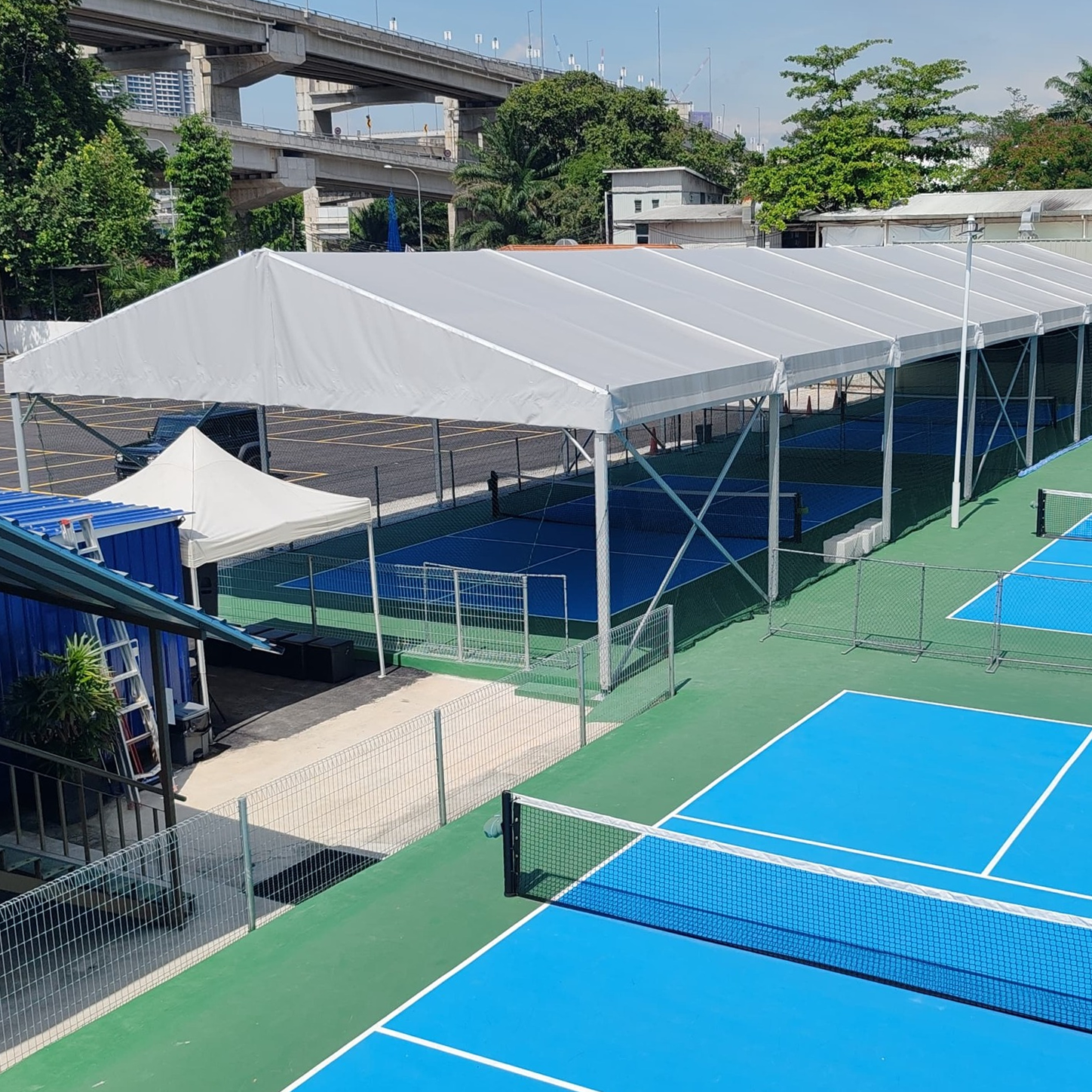
When planning an outdoor event, a 20x50 frame tent can provide the perfect solution for creating a versatile and spacious environment. These tents are commonly used for weddings, corporate events, and sports activities, offering ample space while ensuring safety and durability. B2B buyers often have concerns about the 20x50 frame tent specifications, installation requirements, and overall cost. This article will guide you through selecting the right 20x20 frame tent, key specifications to consider, installation tips, cost factors, and various applications across different industries.
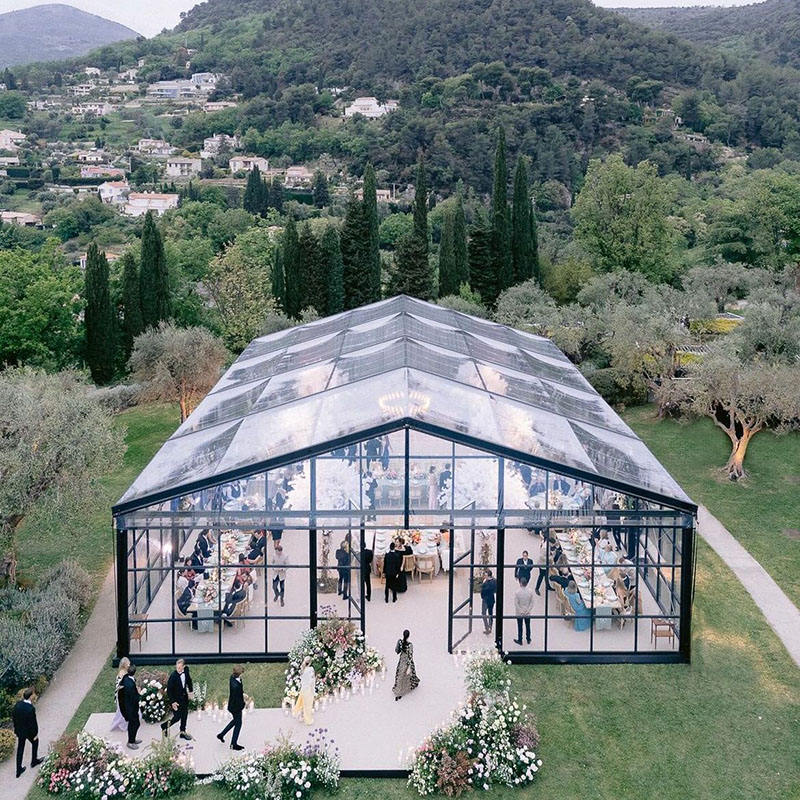
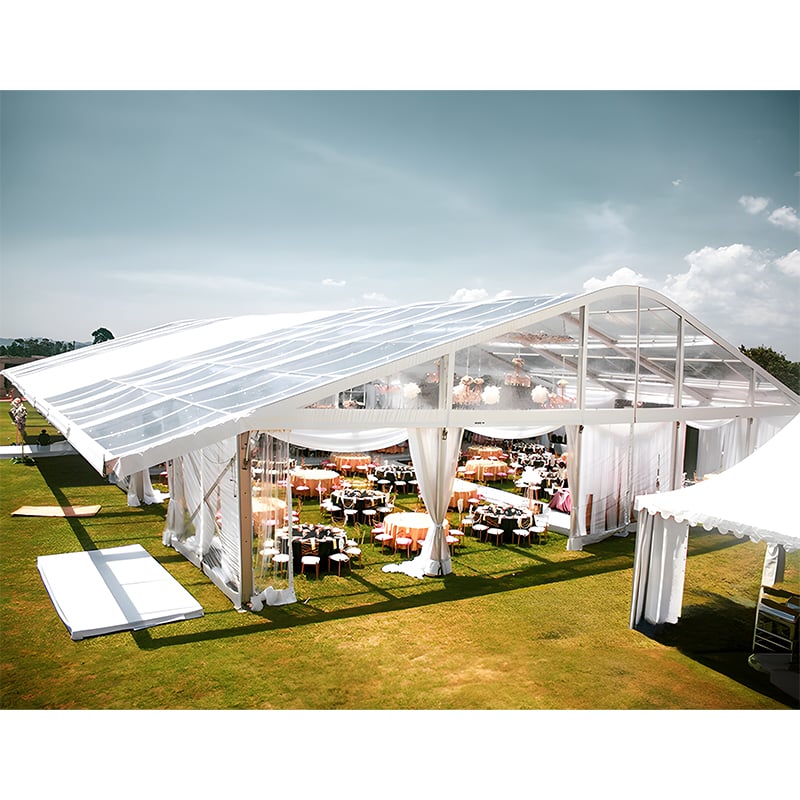
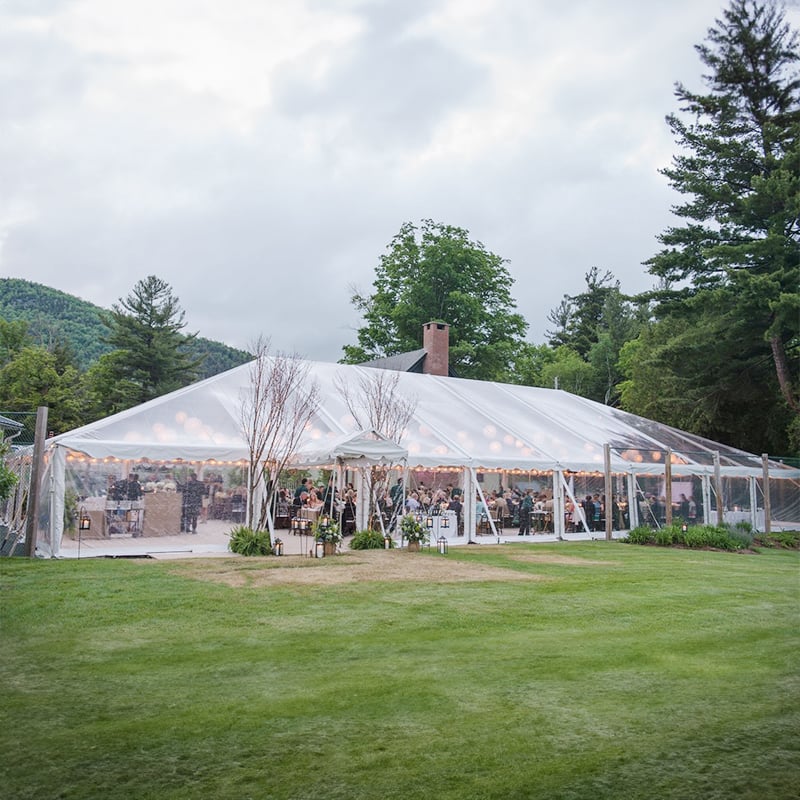
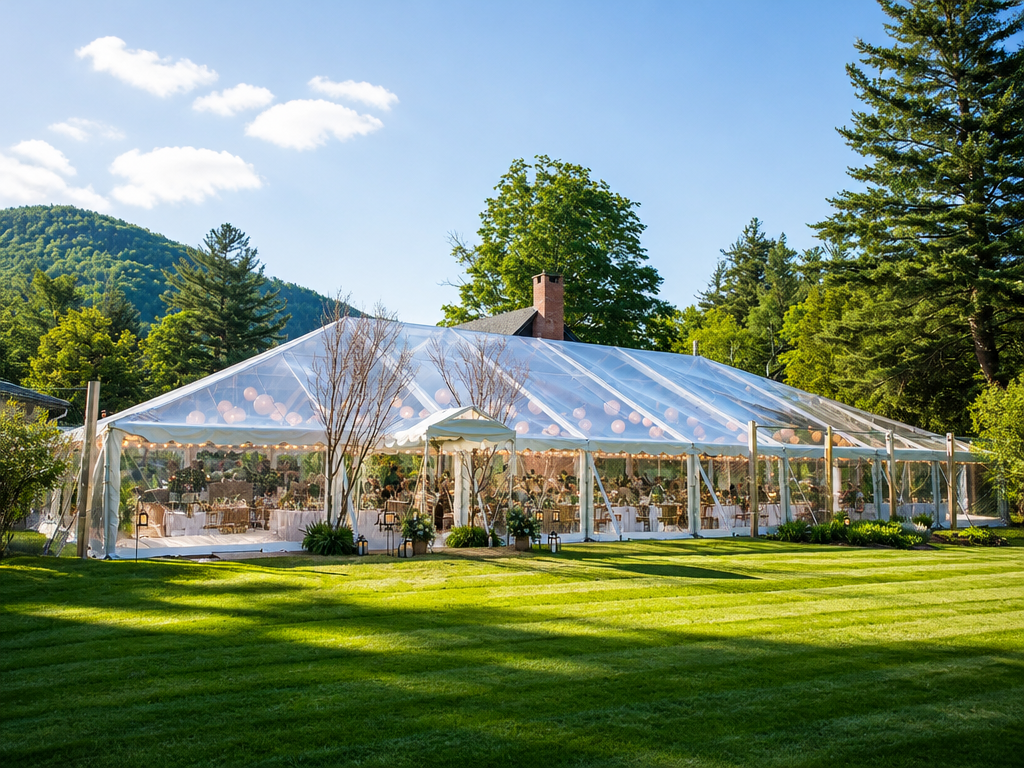
Key Specifications to Consider for 20x50 Frame Tents
When assessing a Yiqian 20x50 frame tent, several key specifications should be carefully evaluated:
Material: The fabric used in the 20x50 frame tent is paramount for durability and weather resistance. Common materials include high-density polyethylene (HDPE) and PVC, each offering different levels of UV protection and water resistance.
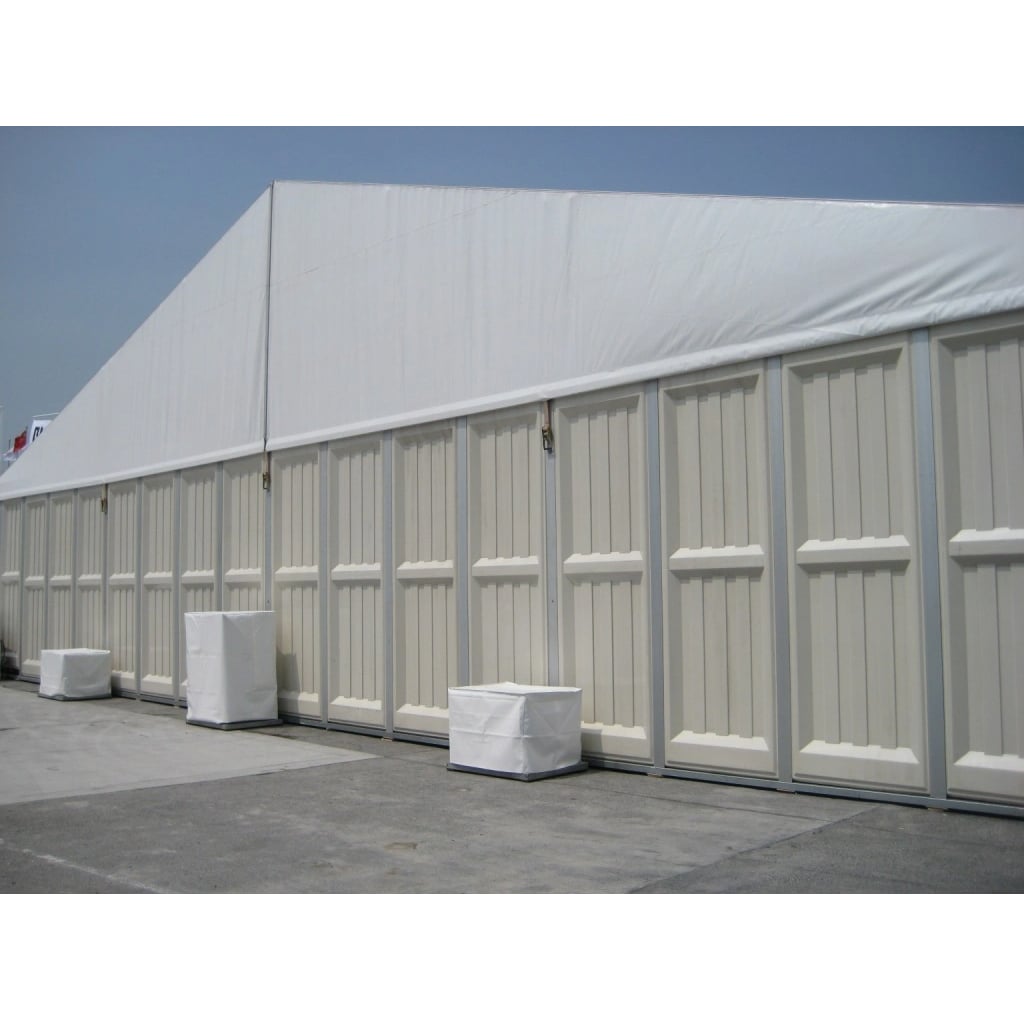
Frame Construction: The frame should be made from robust materials, typically aluminum or galvanized steel, ensuring stability and longevity. Consider the gauge of the frame; thicker frames generally provide better strength and durability.
Weight Capacity: Understand the 20x50 frame tent load-bearing capacity, especially if you plan to hang decorations or equipment from the structure. This specification is crucial for safety and performance during the event.
Wind and Snow Ratings: Check the tent’s design ratings for wind resistance and snow load. This is especially important for outdoor events in regions prone to severe weather. A wedding frame tent rated for higher wind speeds will provide better safety assurances.
Dimensions and Layout: Confirm the tent's dimensions and layout to ensure it meets your spatial requirements. The 20x50 size provides 1,000 square feet of space, suitable for accommodating large groups or multiple activity zones.